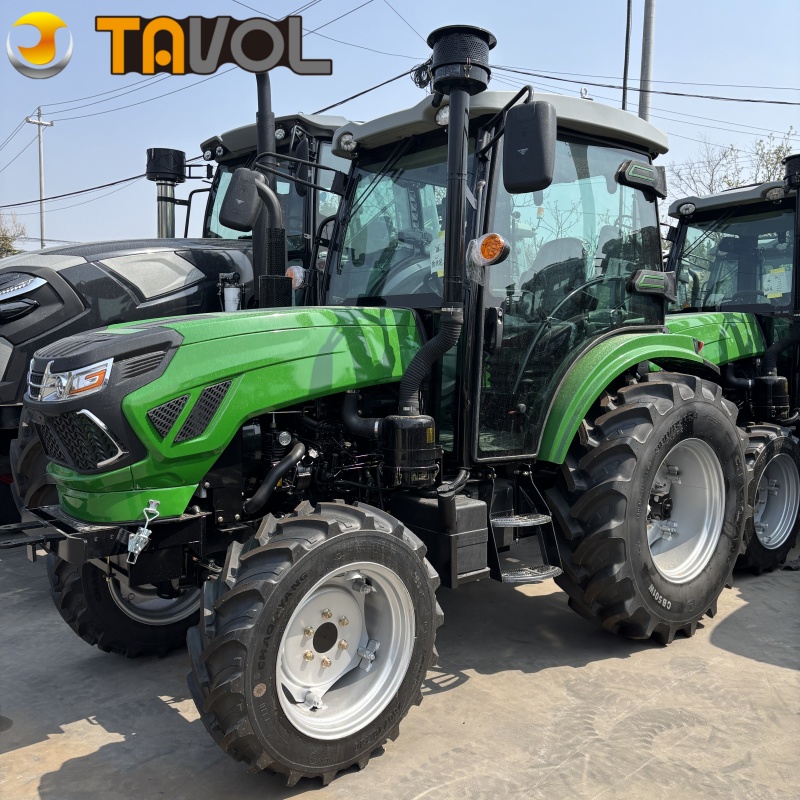
Purchasing heavy farm machinery is never a simple, static acquisition. It represents a significant, long-term capital expenditure for your operation. To calculate reliable return on investment and accurate depreciation, you must predict equipment lifespan precisely. Yet, many consumers still mistakenly measure vehicle life using standard calendar years. We must challenge this outdated habit immediately. Engine hours serve as the only verifiable, accurate metric for evaluating heavy machinery endurance. This guide provides a detailed quantitative framework to help you navigate these major investments. You will learn exactly how to evaluate used models safely and spot hidden wear. We will also show you how to calculate the optimal fleet-renewal timeline for your current assets. By mastering these principles, you can maximize operational efficiency and protect your bottom line.
Key Takeaways
The Engine Hour Standard: A well-maintained agricultural tractor averages between 4,000 and 10,000+ operating hours, depending on displacement and workload.
Engineering Reality: Tractors achieve superior longevity through low-RPM/high-torque engine designs and modular repairability, avoiding the planned obsolescence typical of passenger vehicles.
The Financial Tipping Point: Physical lifespan differs from economic lifespan. The decision to replace should occur when annualized repair costs and downtime exceed the cost of financing a new unit.
Used Evaluation: Hour meter readings are only reliable when backed by verifiable, localized service logs and fluid analysis.
The Core Metric: Engine Hours vs. Calendar Years
You cannot evaluate heavy machinery like passenger cars. We measure farm equipment longevity using engine hours. This metric tracks the actual time the engine runs. It provides a direct window into internal mechanical wear. You must learn to read and interpret hour meters accurately.
A standard mechanical hour meter calculates time based on engine RPM. Digital meters simply record key-on operating time. In typical commercial farming, one calendar year equals roughly 400 to 800 hours of use. A machine running 600 hours annually works hard. You can use this baseline to gauge overall utilization.
Benchmarks by Tractor Class
Different machine sizes offer vastly different lifespan expectations. Chassis stress, engine displacement, and component weight dictate these limits.
Tractor Class
Horsepower (HP)
Expected Lifespan (Hours)
Primary Use Cases
Compact / Utility
Under 50 HP
4,000 – 6,000
Intermittent mowing, light grading, hobby farming
Mid-Size Row-Crop
75 – 150 HP
8,000 – 10,000
Baling, planting, heavy loader work
Large Row-Crop
150 – 200+ HP
10,000 – 15,000+
Deep tillage, heavy pulling, commercial agriculture
Compact and utility tractors under 50 HP experience lighter chassis stress. Operators use them intermittently. You can expect these machines to run 4,000 to 6,000 hours before requiring a major overhaul. They feature smaller displacement engines. Their lighter drivetrains eventually succumb to accumulated wear.
Mid-size to large row-crop tractors tell a different story. These heavy-duty models typically generate 75 to over 200 HP. You can frame the standard operational expectation around 8,000 to 10,000+ hours. Manufacturers build them using massive cast-iron components. They utilize wet-sleeve engine designs. These robust engineering choices allow them to handle extreme torque loads continuously.
The Limitation of Age
Engine hours provide excellent data, but calendar age still matters. A 20-year-old machine logging 3,000 hours carries distinct risks. It will require more immediate seal and gasket replacements than a 5-year-old machine logging the same hours. Prolonged sitting causes rubber components to suffer dry rot. Seals dry out and crack. Condensation builds up inside engine blocks. You must balance low hours against the degradation caused by inactivity.
Engineering Principles: Why an Agricultural Tractor Outlasts Standard Vehicles
Farm machinery outlasts standard vehicles by design. Engineers prioritize endurance over speed. They build these machines to pull heavy loads through unforgiving terrain. Understanding these engineering principles helps you appreciate their extended lifespans.
Low-RPM, High-Torque Dynamics
Passenger cars operate at high speeds. Their engines regularly spin at 3,000 to 4,000 RPM. This rapid movement generates massive internal friction. It creates immense heat and accelerates component fatigue. An Agricultural Tractor operates entirely differently. Engineers design these diesel powerplants for low-RPM, high-torque output.
Most farm engines operate comfortably between 1,800 and 2,200 RPM. This deliberate limitation significantly reduces internal friction. Piston travel speeds drop. Heat generation remains manageable. The engine sustains peak torque without ripping itself apart. This dynamic prevents premature metal fatigue. It allows the machine to run continuously under heavy loads.
Over-Engineering and Cast-Iron Mass
Standard vehicles use lightweight aluminum blocks to improve fuel economy. Farm machinery embraces heavy mass. Engineers intentionally over-engineer the structural components. They utilize thick cast-iron engine blocks and transmission housings. Heavy-duty axles withstand brutal field conditions.
A tractor needs its own physical weight to generate traction. The cast-iron chassis prevents wheel slip when pulling heavy implements. This intentional mass provides a secondary benefit. It absorbs vibrations and resists twisting forces. The robust powertrain handles shock loads easily. Over-engineering guarantees the structural frame outlives the internal components.
Modular Repairability
Automakers embrace planned obsolescence. They build disposable cars. Manufacturers design farm equipment for infinite rebuilds. This modular repairability defines the industry standard. Mechanics can swap individual components without scrapping the entire machine.
Wet-sleeve engine designs serve as the perfect example. Instead of boring out a worn cylinder block, mechanics simply slide in new replaceable cylinder liners. This process restores factory compression quickly. Engineers also place PTO clutches in accessible locations. They utilize independent, bolt-on hydraulic pumps. You can rebuild an aging unit indefinitely if the cast-iron frame remains intact.
The Lifecycle Cost Framework: When to Maintain vs. When to Replace
Physical survival differs from economic viability. An engine might run perfectly, but keeping it running might bankrupt you. You need a fleet management framework to make profitable decisions.
Identifying the "Tipping Point"
Every asset eventually reaches an economic tipping point. The physical life ends when repairs become impossible. The economic life ends much earlier. You must monitor your annualized repair costs closely.
You hit the tipping point when replacement parts and labor become exorbitant. You must also factor in unplanned downtime. When a machine breaks during harvest, lost crop value skyrockets. The economic life ends when parts, labor, and unplanned downtime surpass the annual depreciation and financing costs of a new replacement unit. At this exact moment, buying a new machine becomes cheaper than maintaining the old one.
The 5,000-Hour Evaluation Milestone
Mid-sized operations must treat the 4,000 to 5,000-hour mark as a critical decision stage. Components begin showing inevitable wear. This milestone demands a comprehensive evaluation.
You will typically face major preventative rebuilding at this stage. Fuel injectors lose their spray patterns. High-pressure hydraulic pumps lose their efficiency. Complex transmissions require clutch pack inspections. You must decide whether to fund these preventative rebuilds or trade the machine away. Investing in these repairs restarts the operational clock, but it requires significant upfront capital.
Technological Obsolescence
Mechanical failure does not always drive replacement. External drivers often force hardware upgrades. Technological obsolescence renders older models economically uncompetitive.
Stricter emissions compliance pushes many older diesels out of commercial fleets. Government regulations often mandate Tier 4 Final standards. Modern farming also demands precision agriculture integration. Older units lack the electrical architecture for GPS auto-steer or ISOBUS implement communication. Fuel efficiency gains also matter. A new Agricultural Tractor burns significantly less diesel per acre. These technological advantages frequently justify the cost of early replacement.
Evaluating a Used Agricultural Tractor: Risk Mitigation Strategies
Buying used equipment carries inherent financial risks. You must look past the fresh paint. A thorough inspection requires a suspicious mindset and specific verification techniques.
Auditing the Hour Meter
Digital screens break. Analog cables snap. Sellers sometimes replace instrument clusters entirely. You must always verify the hour meter reading. Treat unverified numbers as mere suggestions.
You can cross-verify low hours by checking physical wear points. Inspect the brake and clutch pedals. A machine showing 1,000 hours should have intact rubber pedal pads. Bare metal indicates heavy use. Look at the rear drawbar hole. Constant pulling elongates the circular hole into an oval. Check the original paint condition on the engine block. Heat cycles eventually burn factory paint off exhaust manifolds. If a supposedly low-hour machine shows deep drawbar elongation and bald pedals, walk away.
Service Record Validation
Handshakes do not replace physical maintenance logs. You must demand verifiable, localized service records. Routine maintenance dictates future reliability.
Engine oil changes are obvious. Hydraulic fluid maintenance proves far more critical. Lack of documented hydraulic fluid and filter changes serves as a primary disqualifier. Modern machines share fluid between the hydraulics and the transmission. Dirty fluid destroys sensitive transmission valves. Power shift transmission rebuilds easily exceed the machine's residual value. If the seller cannot prove routine hydraulic servicing, assume the worst.
Application History Context
How the previous owner used the machine matters immensely. Two identical units logging 3,000 hours will show drastically different wear patterns based on their application history.
Application Type
Primary Wear Points
Risk Level
Static PTO Work (Pumps, Generators)
PTO clutch, rear engine seal, cooling system
Low to Moderate (Stable RPM)
Field Tillage / Planting
Drawbar, tires, transmission, rear axles
Moderate (Consistent pulling)
Heavy Front-End Loader Work
Front axle pivots, steering cylinders, main clutch
High (Constant shifting and weight transfer)
A unit used primarily for static PTO work generally enjoys a gentle life. Running a generator or irrigation pump keeps engine loads constant. Conversely, heavy front-end loader work accelerates wear rapidly. Moving heavy bales stresses the front axle. Constant forward-reverse shifting destroys clutches. Always ask what implements the machine previously operated.
Implementation Considerations for Maximizing Operational Lifespan
You control your equipment's destiny. Proactive management extends operational life exponentially. You must implement strict protocols across your entire farming operation.
Strict Preventative Maintenance (PM) Adoption
You cannot treat preventative maintenance as optional. The manufacturer outlines specific service intervals for a reason. You must adopt these OEM-recommended guidelines as non-negotiable realities.
Implement a rigid schedule. Your routine must include:
Daily Inspections: Greasing pivot points, checking engine oil, and blowing out air filters.
Skipping a single 500-hour fluid dump invites microscopic debris into sensitive hydraulic valve bodies. Strict adherence guarantees maximum longevity.
Operator Training and Accountability
Your operators can destroy a perfect maintenance record in one afternoon. Operator behavior directly connects to hardware longevity. You must train your staff and hold them accountable.
Warn your team against "lugging the engine." Lugging occurs when operators run the engine at too low an RPM under heavy load. This practice spikes internal exhaust temperatures and destroys piston rings. Enforce strict warm-up and cool-down cycles. Cold oil does not flow well. Shutting down a hot turbocharged engine instantly cooks the turbo bearings. Finally, prohibit operators from resting their foot on the clutch pedal. Riding the clutch burns the friction plates prematurely.
Fluid and Oil Analysis Programs
Do not wait for a catastrophic failure. You can predict internal wear before a rod snaps. Adopt a systematic fluid sampling program.
Send engine oil and transmission fluid samples to a laboratory every 250 hours. The lab uses spectroscopy to measure wear metals down to parts-per-million. Spikes in copper indicate failing bearings. High silicon levels mean dirt bypasses your air filter. Traces of potassium indicate a blown head gasket leaking coolant. Fluid analysis acts as an early warning radar. It allows you to schedule cheap preventative repairs instead of funding massive engine replacements.
Conclusion
An agricultural machine's lifespan is entirely dependent on application severity, maintenance rigor, and proactive operator behavior. While manufacturers engineer these heavy assets for exceptional longevity, they cannot survive neglect. You hold the power to extract maximum value from every engine hour.
Take Action on Maintenance: Implement rigid fluid analysis programs to detect internal wear before catastrophic failure occurs.
Evaluate Economically: Conduct a lifecycle cost analysis on your current fleet to determine your exact economic tipping point.
Demand Proof: Always demand verifiable maintenance logs and fluid analysis reports before finalizing the purchase of any used machine.
FAQ
Q: Is 5,000 hours a lot for a used agricultural tractor?
A: Not inherently for a 100+ HP diesel model, provided there is a verifiable history of hydraulic and engine servicing. These larger machines frequently exceed 10,000 hours. However, for a compact utility tractor under 50 HP, 5,000 hours approaches the major overhaul threshold.
Q: What is the most expensive repair on an aging tractor?
A: Power shift or Continuously Variable Transmission (CVT) rebuilds represent the highest costs, often exceeding the machine's residual value. This is followed closely by complete engine block overhauls due to scored cylinders or spun bearings.
Q: Does idling hurt a diesel tractor engine?
A: Yes, extended idling causes "wet stacking" where unburned fuel builds up in the exhaust system. This process lowers cylinder temperatures, accelerates internal engine wear, dilutes engine oil, and severely compromises modern emissions control systems.