Material handling facilities face compounding daily pressures. Tightening emissions compliance, chronic labor shortages, and aggressive throughput demands push managers to their absolute limits. You can no longer rely on outdated legacy systems. Upgrading fleet technology is no longer just about incremental mechanical improvements. It represents a fundamental, structural shift toward digitized, data-driven, and electrified daily operations. Procurement and operations leaders must now evaluate these technological leaps with intense scrutiny. Transitioning to advanced electric powertrains and integrating modern IoT systems requires a rigorous look at implementation realities. You must assess facility readiness thoroughly before deployment. In this guide, you will learn how modernizing your fleet unlocks higher productivity. We will explore how predictive data prevents catastrophic equipment failures. Finally, you will discover the exact steps needed to prepare your infrastructure for seamless technological adoption.
Key Takeaways
Digital-First Architecture: The shift to modern electric forklifts provides the necessary power and baseline architecture to support advanced sensors, telemetry, and automated systems.
Data-Driven Uptime: Predictive maintenance through IoT reduces catastrophic equipment failure and optimizes fleet right-sizing.
Measurable Safety ROI: AI-driven proximity sensors and dynamic speed-limiting directly impact workers' compensation liabilities and facility damage costs.
Infrastructure Realities: Adopting advanced fleet tech requires upfront facility power audits and strategic charging infrastructure planning to realize long-term TCO benefits.
Framing the Operational Bottleneck: Why Legacy Fleets Are Failing Modern Success Criteria
Modern warehouses operate under intense scrutiny. Stricter indoor air quality regulations force swift operational changes. Regulators closely monitor carbon monoxide and particulate emissions. You cannot easily meet these new sustainability targets using traditional equipment. Volatile fossil fuel costs also squeeze operational budgets continually. Internal combustion (IC) models simply fall behind in this rigorous environment. They require constant mechanical upkeep. They also introduce unpredictable fueling expenses into your quarterly forecasts.
Success criteria look entirely different today. In the past, managers defined success by repairing broken trucks quickly. Today, you must predict failures long before downtime actually occurs. Uptime is now a strict mandate. Reactive maintenance destroys productivity. You lose money every minute a machine sits idle on the warehouse floor. Modern operations demand proactive, data-driven asset management.
You must evaluate your current fleet carefully. Start by auditing your existing operations for hidden inefficiencies. High idle times waste valuable resources daily. Undocumented impacts damage racking systems and inventory. Operator bottlenecks slow down your overall throughput. Legacy fleets mask these critical problems. You need clear visibility into daily operations to remain competitive. Recognizing these hidden gaps is your first step toward modernization.
The Core Catalyst: Why the Advanced Electric Forklift is the Platform for Innovation
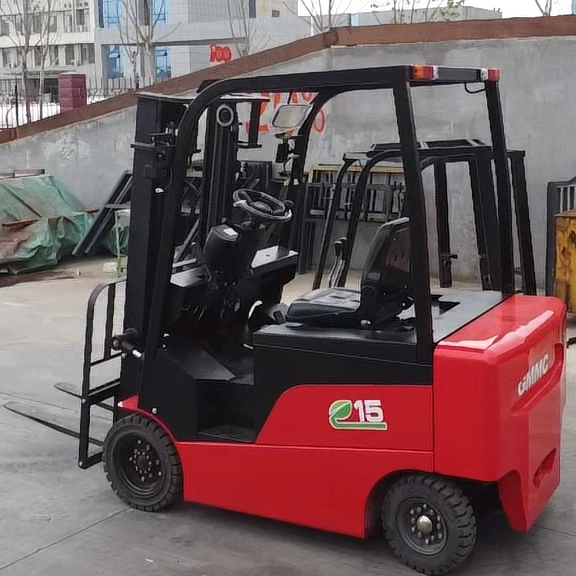
Modern material handling demands intelligent platforms. An advanced Electric Forklift operates essentially as a rolling computer. It processes massive amounts of data instantly. This digital-native architecture connects seamlessly to your Warehouse Management Systems (WMS). Mechanical IC engines simply cannot support this level of integration. They lack the baseline electrical infrastructure needed for advanced sensors.
Battery technology nuances drive major operational shifts. You must understand the distinct charging behaviors involved. Lithium-ion technology differs greatly from traditional lead-acid options. Lithium-ion allows for flexible opportunity charging. Operators simply plug in their machines during short shift breaks or lunches. This fundamentally alters shift planning. It eliminates the need for massive, heavily ventilated battery-room real estate. You reclaim valuable square footage for revenue-generating inventory.
You need a transparent framework for evaluating these investments. Upfront capital expenditure (CapEx) generally runs higher for advanced lithium systems. However, daily operating expenses (OpEx) drop significantly over a standard five-to-seven-year lifecycle. Maintenance needs decrease sharply. Fuel dependencies disappear completely. The table below outlines the core operational differences between the two primary battery systems.
Feature
Lithium-Ion Technology
Traditional Lead-Acid
Charging Style
Opportunity charging (short, frequent plugs)
Full 8-hour charge cycle required
Maintenance Needs
Zero daily maintenance
Requires regular watering and equalizing
Space Required
Compact wall chargers in work zones
Dedicated, ventilated battery rooms
Lifespan
Often lasts the life of the truck
Requires replacement every 3-5 years
Telematics and IoT: Evaluating Fleet Right-Sizing and Predictive Maintenance
Digital tools unlock unprecedented fleet visibility. Access control enforces strict accountability across your entire facility. Modern equipment utilizes badge-swipe starting mechanisms. This ensures only certified operators use specific machinery. You enforce OSHA compliance effortlessly. Unauthorized personnel cannot operate dangerous equipment. This simple technology prevents countless accidents and reduces unauthorized wear and tear.
Utilization telemetry completely transforms fleet management. Managers track exact operating hours continuously. You identify underutilized assets very quickly. Many facilities overestimate their equipment needs. Do you really need 20 legacy trucks? Telemetry data often proves otherwise. You might discover only 12 machines move simultaneously during peak hours. You can safely replace your legacy fleet using 16 advanced machines. This right-sizing strategy saves significant capital upfront.
Predictive diagnostics change maintenance strategies forever. Modern systems transmit fault codes directly to fleet managers in real-time. You see potential issues instantly. When evaluating vendor software dashboards, look closely at their architecture. Open API structures allow broad integrations. You can connect them to your existing software easily. Conversely, walled-garden ecosystems restrict your data access. They trap you within one vendor's platform. Flexible, open software always provides better long-term value.
AI and Advanced Safety Systems (Mitigating Liability Risks)
Warehouses hold inherent physical risks. Advanced safety systems mitigate these dangers effectively. Standard backup alarms often cause severe alarm fatigue. Workers hear constant beeping all day. They eventually tune out the noise entirely. Computer vision offers a vastly superior solution. AI cameras actively distinguish between human pedestrians and static racking. They only alert operators when real danger exists. This targeted warning system restores the urgency of safety alarms.
Dynamic speed control adds another robust protection layer. Geo-fencing capabilities create invisible safety zones across your facility. An integrated Electric Forklift reads these digital boundaries automatically. It governs speed down in high-pedestrian areas automatically. It slows down dramatically in narrow aisles. Operators cannot override these safety limits. You maintain strict environmental control regardless of operator experience.
Safety technology provides highly measurable financial returns. It is not just an ethical mandate for employers. Insurers heavily scrutinize warehouse safety protocols. Verifiable safety improvements often reduce insurance premiums substantially. Fewer accidents mean fewer workers' compensation claims. Rack damage costs drop significantly. Inventory shrinkage decreases. You protect your people and your profit margins simultaneously.
Implementation Realities, Adoption Risks, and Change Management
Upgrading fleets introduces real logistical challenges. You must prepare your facility thoroughly before purchasing new equipment. Ignoring these realities leads to severe deployment delays.
An electrical infrastructure audit remains absolutely critical. You cannot simply plug in a fleet of modern machines. You must assess your facility grid capacity first. Peak load management requires careful, strategic planning. If all machines charge simultaneously, you might trigger massive utility penalties. Charger placement dictates daily operational flow. You must evaluate your facility using these precise steps:
Calculate your maximum peak electrical load requirements.
Assess local transformer limits alongside your utility provider.
Determine optimal charger locations near high-traffic break areas.
Route necessary heavy-duty conduit safely away from traffic.
Software integration poses entirely separate hurdles. OEM telematics must communicate with your existing systems smoothly. Legacy WMS or ERP platforms often resist modern connections. You risk creating fragmented data silos. Your IT teams must evaluate API compatibility early in the process. Ensure the new dashboard exports data cleanly.
Operator buy-in dictates your ultimate success. Workers often resist new driver-monitoring technologies initially. They might feel overly surveilled. You must communicate the direct safety benefits clearly. Training matters immensely during this transition. Operators must learn new opportunity charging protocols. They need to unlearn old lead-acid habits. Transparent communication eases this transition greatly. Build trust by involving them in early pilot programs.
Shortlisting Logic: Next Steps for Fleet Modernization
Choosing the right vendor is crucial for success. You need a reliable, long-term technological partner. Do not base your decision solely on upfront hardware costs. Evaluate the entire ecosystem.
Post-Sale Software Support: Ensure the vendor provides consistent dashboard updates and bug fixes.
Local Technician Availability: Verify they employ certified technicians within a short driving radius.
Integration Flexibility: Confirm their software plays nicely alongside your current ERP systems.
Do not roll out everything simultaneously. Structure a controlled pilot program first. Test the advanced technology thoroughly in real conditions. Deploy one or two test units initially. Place them in your highest-throughput zone deliberately. This stress-tests the equipment effectively. Monitor their performance closely over several weeks. Gather critical operator feedback before authorizing a full-fleet expansion.
Finally, create a compelling business case. Aggregate your projected daily fuel savings accurately. Calculate the exact maintenance labor reductions. Factor in the expected productivity gains from opportunity charging. Present these clear metrics directly to the C-suite. Strong, data-backed proposals drive faster executive approval. Frame the upgrade as a revenue-protecting efficiency measure.
Conclusion
Advanced material handling technology relies entirely on a modern foundation. The electric forklift acts as your necessary central hub. It powers IoT devices, automation software, and critical safety sensors seamlessly. It provides the digital backbone required for modern logistics. You simply cannot achieve peak efficiency using isolated legacy machinery.
However, technology alone never solves fundamental process issues. Facility readiness dictates your actual success rate. User adoption matters just as much as the hardware itself. You must manage operator training and electrical infrastructure carefully. Hardware upgrades fail without proper human and environmental preparation.
Take actionable steps today. Encourage your leadership team to request a comprehensive facility power audit immediately. Conduct a localized fleet efficiency analysis to uncover hidden waste. These foundational evaluation steps ensure a highly profitable, future-proof modernization strategy for your entire facility.
FAQ
Q: How does the upfront cost of a lithium-ion electric forklift compare to a traditional IC model?
A: Lithium-ion models carry a 15-30% premium over internal combustion options initially. However, they eliminate fuel costs entirely. Maintenance expenses drop drastically since they lack complex engines. Most operations reach a break-even point within three years. After this period, the operational savings generate pure, compounding financial returns.
Q: Can advanced telematics be retrofitted onto older forklifts?
A: You can retrofit basic components easily. Simple GPS trackers and standalone impact sensors work fine on legacy models. However, deep diagnostic WMS integration remains impossible. Older machines lack the necessary digital architecture. Comprehensive telemetry requires modern electric systems to function properly and transmit complex fault codes.
Q: What are the hidden facility costs when upgrading to an advanced electric fleet?
A: Facilities often overlook the extensive infrastructure upgrades required. You might need expensive transformer upgrades to handle increased electrical loads safely. Electrical panel expansions are frequently necessary. Routing heavy-duty conduit to specific charging stations also adds expense. Always conduct a thorough facility power audit before purchasing any equipment.
Q: How do AI safety sensors handle low-light or dusty warehouse conditions?
A: Optical cameras struggle heavily in poor visibility. Heavy dust and low light degrade their object detection accuracy significantly. Advanced systems solve this using hybrid technology. They combine standard high-definition cameras with LiDAR or radar sensors. This multi-sensor approach ensures highly reliable pedestrian detection across all challenging warehouse environments.