Material handling operations often require equipment that can adapt to various working environments. Warehouses, factories, and logistics centers frequently move goods between indoor storage areas and outdoor loading zones, meaning the forklift must be both powerful and flexible. While electric forklifts and diesel models each offer their own benefits, LPG forklifts continue to stand out as one of the most versatile solutions for mixed-use operations. LPG forklifts combine the reliable performance of internal combustion engines with cleaner fuel combustion compared to traditional diesel equipment. They can operate for long hours without the need for battery charging, easily transitioning between indoor and outdoor tasks. These characteristics make LPG forklifts a popular choice in industries such as warehousing, manufacturing, construction, and distribution. This article explores why LPG forklifts remain one of the most versatile forklift options, discussing how they work, their key advantages, and why so many businesses rely on them for efficient material handling in diverse environments.
1.What Are LPG Forklifts?
To understand why LPG forklifts are so widely used, it is helpful to first understand how they operate and what makes them different from other forklift types.
Understanding LPG as a Fuel Source
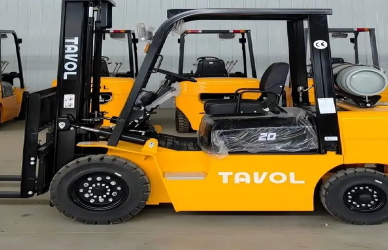
LPG stands for Liquefied Petroleum Gas, a fuel made primarily from propane or a mixture of propane and butane. It is stored in pressurized cylinders as a liquid and converts into gas when released. This gas is then used as fuel to power an internal combustion engine.
Compared with diesel fuel, LPG burns more cleanly and produces fewer harmful emissions. Because of this cleaner combustion, LPG forklifts are often considered a practical compromise between electric forklifts and diesel-powered equipment. They provide strong engine performance while maintaining lower emission levels, which allows them to operate in environments where diesel forklifts may not be suitable.
Another advantage of LPG as a fuel source is its widespread availability. LPG cylinders are commonly used in many industries and can be replaced quickly, making refueling convenient for operations that require continuous forklift use.
Basic Working Principle of LPG Forklifts
The working principle of LPG forklifts is similar to that of gasoline-powered vehicles. The LPG cylinder mounted on the forklift stores fuel in liquid form. When the forklift operates, the LPG passes through a regulator where it converts into vapor. The vaporized fuel then mixes with air and enters the engine's combustion chamber.
Once ignited by the engine’s spark plug, the mixture produces the energy required to power the forklift’s engine. This power drives the wheels and hydraulic system, allowing the forklift to move and lift heavy loads.
This combustion-based power system gives LPG forklifts several advantages. They provide consistent torque and strong lifting performance, making them suitable for demanding material handling tasks. At the same time, the cleaner-burning fuel allows them to be used in more environments than traditional diesel forklifts.
2.The Versatility of LPG Forklifts in Material Handling
One of the biggest reasons businesses continue to rely on LPG forklifts is their ability to adapt to different working conditions.
Suitable for Both Indoor and Outdoor Operations
Unlike diesel forklifts, which produce heavier exhaust emissions, LPG forklifts burn fuel more cleanly. This allows them to operate in semi-enclosed environments such as warehouses, loading bays, and covered logistics areas where diesel equipment might not be appropriate.
At the same time, LPG forklifts retain the strong engine power typical of combustion forklifts. This means they can handle outdoor tasks such as moving materials across yards, construction sites, or distribution centers without losing performance.
Because of this balance between power and cleaner emissions, LPG forklifts can easily transition between indoor and outdoor work. Operators can unload trucks outside, transport goods into a warehouse, and place them in storage without switching equipment.
Ideal for Mixed-Use Facilities
Many modern logistics operations involve mixed environments where goods must move across multiple areas during the same workflow. For example, a forklift may unload materials from trucks outside, transport them through warehouse corridors, and move them to storage racks.
In these scenarios, LPG forklifts provide exceptional operational flexibility. Businesses do not need separate forklifts for indoor and outdoor tasks, which helps simplify fleet management and reduce equipment investment.
This versatility also improves productivity. Since LPG forklifts can operate continuously across different areas, they help streamline workflows and reduce delays caused by switching between machines.
3.Key Advantages of LPG Forklifts
LPG forklifts remain popular because they offer several practical advantages that support efficient material handling.
Strong Power and Reliable Performance
One of the biggest benefits of LPG forklifts is their reliable engine performance. Combustion engines powered by LPG deliver strong and consistent power, which allows forklifts to handle heavy loads and operate on uneven surfaces.
This makes LPG forklifts particularly useful in industries where materials must be transported over long distances or across different types of terrain. Compared with electric forklifts, which rely on battery capacity, LPG forklifts can maintain consistent performance throughout long working shifts.
Because the engine continuously generates power, operators can perform demanding lifting tasks without worrying about battery discharge affecting productivity.
Quick Refueling for Continuous Operation
Another key advantage of LPG forklifts is the speed of refueling. Unlike electric forklifts that require several hours to recharge batteries, LPG forklifts can be refueled by simply replacing the LPG cylinder.
This process usually takes only a few minutes, allowing forklifts to return to operation quickly. For businesses that operate multiple shifts or handle large volumes of materials, this quick refueling capability is extremely valuable.
By minimizing downtime, LPG forklifts help maintain continuous workflow and ensure that material handling operations remain efficient throughout the day.
Lower Emissions Compared to Diesel Forklifts
Although electric forklifts remain the cleanest option in terms of emissions, LPG forklifts produce significantly fewer pollutants than diesel-powered equipment. LPG combustion generates lower levels of particulate matter and harmful gases.
Because of this cleaner burning process, LPG forklifts are often permitted in environments where diesel equipment is restricted. This includes indoor warehouses with proper ventilation and facilities where air quality must be carefully managed.
Businesses that want the performance of a combustion engine while maintaining lower emissions often find LPG forklifts to be a practical solution.
Flexible Operating Range
Electric forklifts depend on battery capacity and charging infrastructure. While they are excellent for indoor operations, their operating time can be limited by battery life.
LPG forklifts, however, do not rely on charging stations. As long as spare LPG cylinders are available, forklifts can continue operating without extended interruptions.
This flexibility is particularly useful in facilities where forklifts must work for long periods or move across large areas. The ability to refuel quickly ensures that LPG forklifts remain available whenever they are needed.
4.Industries That Benefit Most from LPG Forklifts
Because of their flexibility and strong performance, LPG forklifts are widely used across many industries.
Warehousing and Distribution
Warehouses and distribution centers often require forklifts to move goods between indoor storage areas and outdoor loading docks. LPG forklifts are well suited for these environments because they can easily transition between different spaces.
Their quick refueling capability also helps logistics operations maintain high productivity during busy periods such as seasonal demand spikes.
Manufacturing Facilities
Manufacturing plants frequently move raw materials, components, and finished products between production lines and storage areas. LPG forklifts provide the strength and reliability needed for these tasks.
Since many factories involve both indoor and outdoor operations, LPG forklifts allow materials to be transported across different areas without requiring separate equipment.
Construction and Outdoor Logistics
Construction sites and outdoor logistics operations often involve rough terrain and heavy loads. LPG forklifts provide the engine power required to handle these demanding tasks while still maintaining relatively lower emissions compared with diesel equipment.
Their durability and fuel efficiency make them suitable for environments where equipment must operate under challenging conditions.
5.Factors to Consider When Choosing an LPG Forklift
Although LPG forklifts offer many benefits, selecting the right model requires careful evaluation of operational needs.
Load Capacity and Lift Height
Different applications require forklifts with different lifting capacities and heights. Businesses should evaluate the maximum weight of the loads they need to move and the height of storage racks or shelves.
Choosing an LPG forklift with the correct capacity ensures safe operation and prevents equipment strain.
Fuel Availability and Storage
Since LPG forklifts rely on gas cylinders, businesses must ensure that LPG fuel is readily available and stored safely. Proper fuel storage and handling procedures are essential for maintaining operational safety.
Facilities should also have trained personnel who understand how to replace LPG cylinders safely and efficiently.
Maintenance and Safety Requirements
Like any internal combustion forklift, LPG forklifts require routine maintenance to keep the engine and fuel system functioning properly. Regular inspections of hoses, regulators, and cylinders help prevent leaks and ensure safe operation.
Following manufacturer maintenance schedules and safety guidelines helps extend the lifespan of the forklift and reduce the risk of operational issues.
FAQ
1. Can LPG forklifts operate continuously during long shifts?
Yes, LPG forklifts are well suited for long working shifts because their fuel cylinders can be replaced quickly. This allows forklifts to resume operation within minutes without waiting for battery charging.
2. Are LPG forklifts suitable for warehouses with limited ventilation?
LPG forklifts produce fewer emissions than diesel forklifts, but they still require proper ventilation when used indoors. Warehouses should ensure adequate airflow to maintain safe operating conditions.
3. How often should LPG forklift cylinders be replaced?
Cylinder replacement depends on usage intensity and load conditions. In most operations, a cylinder can last several hours of continuous use before needing replacement.
4. What safety checks are important when operating LPG forklifts?
Operators should regularly inspect the LPG cylinder, hoses, and connections for leaks or damage. Proper training in cylinder replacement and fuel handling is also essential for safe operation.
Conclusion
LPG forklifts remain one of the most versatile material handling solutions available today. With strong engine performance, quick refueling capability, and cleaner combustion compared to diesel models, they are suitable for a wide range of industrial applications. Unlike forklifts designed only for indoor or outdoor use, LPG forklifts can operate effectively in both environments, allowing businesses to handle materials efficiently across warehouses, loading docks, and outdoor yards. This flexibility helps streamline operations, improve productivity, and reduce the need for multiple types of equipment, making LPG forklifts a practical and reliable choice for modern material handling operations.


