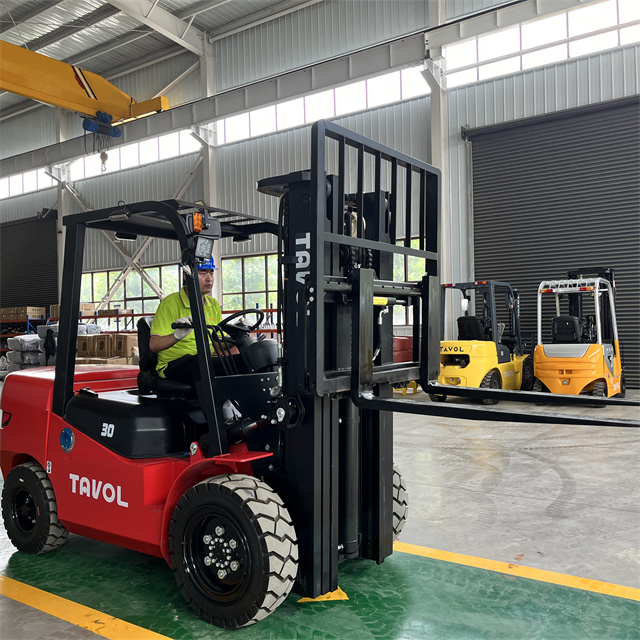
Stricter indoor emission compliance and fluctuating fuel costs are forcing warehouse operators to pivot rapidly. Transitioning from Internal Combustion Engine (ICE) machines to electric material handling equipment is no longer optional. It has become a fundamental operational shift for modern facilities globally. However, replacing reliable legacy equipment carries undeniable risks for facility managers. You might worry about maintaining shift uptime, handling maximum load capacities, or facing unexpected infrastructure upgrade costs. These are highly valid concerns. They often delay critical modernization efforts. To bridge this gap, we will provide a transparent framework to evaluate equipment configurations, battery technologies, and facility readiness requirements. You will learn exactly how to choose the right machinery to ensure highly profitable and efficient warehouse operations. This guide clears up common power myths so you can confidently procure the best solution.
Key Takeaways
Modern heavy-duty electric forklifts now match ICE counterparts in lift capacity (up to 36,000+ lbs), dispelling historical biases about electric power limitations.
Selecting the right equipment depends strictly on aisle dimensions, racking height, and shift volume (single vs. multi-shift).
Lithium-ion batteries offer opportunity charging and zero maintenance, but lead-acid remains a financially sound choice for single-shift operations.
Facility readiness—specifically electrical grid capacity and charging station footprint—must be assessed before finalizing any procurement.
1. Defining Success Criteria for Warehouse Material Handling
You must establish clear success criteria before buying new equipment. Operational demands dictate exactly what type of machinery you need. Failing to define these parameters leads to poor investments and daily frustrations.
Throughput vs. Downtime
We must frame the primary business problem correctly. Your warehouse relies on moving goods quickly. Equipment must maintain consistent travel speeds. Lift speeds also need to remain robust through the final hour of a shift. Older battery technologies often suffered from voltage drop. A modern Electric Forklift avoids this issue entirely. Operators can lift heavy pallets just as fast at hour seven as they do at hour one. Downtime kills profitability. You need reliable machines functioning constantly without mid-shift charging interruptions.
Space Utilization
Aisle width constraints strictly dictate your equipment choices. Warehouses usually fall into three categories. Standard aisles measure around twelve feet wide. Narrow Aisle (NA) setups drop to eight or ten feet. Very Narrow Aisle (VNA) systems squeeze below six feet. You must evaluate these dimensions carefully. They determine the necessary chassis size. They also dictate the required turning radius. Buying a standard machine for a narrow aisle causes severe operational bottlenecks. It also increases the risk of racking damage.
Compliance and Environment
Environmental regulations continue to tighten. You must factor in OSHA ventilation requirements for indoor operations. ICE engines emit harmful carbon monoxide. Electric models provide a zero-emission alternative. This is completely mandatory for food-grade storage facilities. Pharmaceutical warehouses also demand zero emissions. Furthermore, noise reduction goals play a vital role. Electric motors run almost silently. This dramatically improves warehouse communication. It also reduces operator fatigue throughout a long shift.
Measure your narrowest aisle: Do not guess dimensions. Use a tape measure.
Calculate peak throughput: Know your highest pallets-per-hour requirement.
Review local compliance: Check state and municipal emissions regulations.
2. Core Categories of Electric Forklifts for Warehouses
Warehouses utilize various specialized machines. You cannot use a one-size-fits-all approach. Different zones require different handling tools. Understanding these core categories helps you build a balanced fleet.
Electric Counterbalance Forklifts
These models serve as direct replacements for standard ICE machines. They feature heavy rear weights to offset front loads. They are highly versatile for dock-to-stock applications. You can use them to transport heavy materials across large floor plans. They excel in wide aisles. They easily handle loading and unloading trailers at the dock. A well-configured Electric Forklift manages these heavy-duty applications effortlessly.
Reach Trucks & Order Pickers
These machines focus on vertical space maximization. They prioritize height over raw load weight. Reach trucks extend their forks forward. This allows operators to place pallets deeply into racks. Order pickers lift the operator alongside the forks. This enables precise piece-picking at high elevations. They are absolutely essential for Narrow Aisle (NA) setups. High-density racking systems rely heavily on these specialized units.
Electric Pallet Jacks & Walkie Stackers
You should view these as supplemental equipment. They handle low-level maneuvering perfectly. Operators use them for short-distance transport. They lack the heavy lifting capacity of counterbalance models. However, they shine in tight spaces. Retail backrooms depend on them daily. Localized staging areas use them to prep outbound shipments. They cost significantly less and require minimal training.
Common Mistake: Buying reach trucks for dock unloading. Always match the equipment category to the specific operational zone.
Equipment Type
Primary Function
Best Warehouse Environment
Counterbalance Forklift
Direct ICE replacement, heavy lifting
Wide aisles, loading docks, trailers
Reach Truck
Vertical space maximization
Narrow aisles, high-density racking
Walkie Stacker
Low-level, short transport
Tight spaces, staging areas, retail
3. Addressing the Power Myth: Heavy-Duty Capabilities vs. ICE
Many managers still harbor doubts about battery power. They mistakenly believe electric machines lack the muscle for intense work. This outdated mindset stems from decades-old technology. Today's reality looks vastly different.
Parity in Payload
Modern AC motor technology has revolutionized the industry. These motors deliver massive power efficiently. Current models handle capacities ranging from 5,000 lbs to over 36,000 lbs seamlessly. You can now lift massive steel coils or heavy lumber bundles using battery power. The historical bias about electric power limitations is entirely false today. A modern heavy-duty Electric Forklift handles the exact same payloads as its diesel equivalent.
Torque and Acceleration
Electric drive systems offer a massive mechanical advantage. They provide instant torque the moment operators press the pedal. Mechanical lag plagues propane and diesel engines. ICE engines must rev up to build power. Electric motors deliver full rotational force immediately. This results in faster acceleration. It also ensures smoother lifting operations. You get precise control when placing heavy pallets onto high racks. This instant responsiveness improves overall warehouse throughput significantly.
Outdoor/Indoor Hybrid Use
Historically, electric machines stayed strictly indoors. Water and electronics mixed poorly. Manufacturers solved this problem recently. Modern units feature high Ingress Protection (IP) ratings. Sealed components protect sensitive electronics from rain and dust. You can now use them outdoors safely. However, you must specify the correct tires. Cushion tires only work on smooth indoor concrete. You must choose pneumatic tires for outdoor yard use. They absorb shocks from uneven dock plates and rough asphalt.
Best Practice: Always verify the IP rating before deploying electric units in wet environments.
Best Practice: Specify solid pneumatic tires for lumber yards or gravel surfaces.
4. Evaluation Dimensions: Battery Tech and Financial Viability
Choosing the right battery dictates your operational workflow. It also heavily influences your long-term financial returns. You must carefully weigh the pros and cons of current technologies.
Lead-Acid Batteries
Lead-acid technology remains the industry workhorse. It has powered warehouses for decades. You gain a proven, highly reliable power source. The primary advantage is lower upfront capital expenditure. They cost significantly less to purchase initially. However, they come with strict operational demands. They require an eight-hour charge cycle. They also need an eight-hour cool-down period. This makes them less ideal for multi-shift operations. Furthermore, you must build dedicated, ventilated charging rooms. Hydrogen gas escapes during charging. Regular watering maintenance is also mandatory to prevent battery death.
Lithium-Ion Technology
Lithium-ion represents the modern standard for fast-paced logistics. These batteries completely change how shifts operate. They allow opportunity charging during breaks and lunches. Operators just plug them in whenever they stop working. They require absolutely no cool-down period. They boast zero daily maintenance. You never have to add water. Furthermore, they provide consistent power output until total depletion. The lift never slows down. The major drawback involves high initial procurement cost. They also draw massive power quickly. This creates a potential requirement for upgraded facility electrical panels.
Financial Calculation Variables
You must look past the initial sticker price. True financial viability relies on long-term operational math. Factor in fuel savings immediately. Electricity costs far less than propane or diesel. Eliminate engine maintenance costs from your budget. You no longer buy oil, air filters, or spark plugs. Consider the battery lifespan differences. Assess local tax incentives or utility rebates for green equipment. These variables dramatically alter the financial perspective over a five-year period.
Comparison Chart: Lead-Acid vs. Lithium-Ion
Feature
Lead-Acid
Lithium-Ion
Upfront Cost
Lower
Significantly Higher
Charging Time
8 Hours (+ 8h cooling)
1-2 Hours (Opportunity Charging)
Maintenance
High (Watering, Cleaning)
Zero Maintenance
Power Drop
Noticeable at end of shift
None (Consistent until flat)
5. Implementation Risks and Facility Considerations
Buying the equipment represents only half the challenge. Your facility must physically support the new fleet. Ignoring facility readiness leads to disastrous deployment delays.
Electrical Infrastructure Upgrades
You must assess your current warehouse grid immediately. Can it support multiple fast-charging stations? Many older buildings lack sufficient amperage. Pulling too much power triggers peak demand utility penalties. Your energy bill could skyrocket unexpectedly. Consult a commercial electrician before purchasing. They will audit your panels. They can determine if you need an expensive transformer upgrade. Sometimes, staggering charging times mitigates these peak demand spikes.
Floor Space Allocation
Space acts as a premium asset in warehousing. Lead-acid systems consume massive amounts of floor space. You lose square footage to battery extraction equipment. You also need gantry cranes to swap heavy batteries mid-shift. Lithium-ion solves this space issue. You can mount decentralized wall chargers directly next to breakrooms. This reclaims valuable rack space. You must factor this recovered square footage into your facility planning.
Operator Adoption & Telemetry
Do not underestimate the human element. You must plan for operator retraining. Electric models drive differently than ICE units. They utilize regenerative braking. When operators lift off the accelerator, the machine brakes automatically. This recharges the battery slightly. It feels strange initially and requires practice. Furthermore, lithium systems require strict adherence to charging protocols. Operators must plug in during every break. You should utilize fleet management software. Telemetry tracks battery health closely. It also monitors impact events, holding drivers accountable.
6. Shortlisting Logic: How to Specify and Procure
You need a structured approach to final procurement. Emotional buying leads to poor fleet performance. Follow logical steps to shortlist your ideal candidates.
Audit Your Constraints
Map your operational constraints meticulously. Identify your heaviest load accurately. Measure your highest lift requirement. Find the absolute narrowest aisle in your building. These three data points filter out incompatible machines immediately. Do not buy a 5,000 lb capacity unit if you occasionally lift 6,000 lb pallets. Always spec slightly above your maximum requirements for a safety margin.
Rent/Lease vs. Buy
Evaluate your financing options carefully. Capital expenditure is not your only choice. Renting provides excellent flexibility. You can rent a high-end Electric Forklift to test its viability during peak season. This real-world test proves the concept before you commit. Leasing preserves cash flow. It also guarantees you receive updated technology every few years. Buying makes sense for highly customized attachments or long-term baseline fleet needs.
Vendor Support & Parts Availability
Do not choose a vendor based solely on upfront pricing. Slight price differences vanish quickly when machines break down. Prioritize Original Equipment Manufacturer (OEM) dealer networks. They must guarantee rapid technician dispatch times. Ask about their local parts inventory. A cheap machine sitting broken for three weeks costs you severely in lost productivity. Demand service Level Agreements (SLAs) in writing.
Conclusion
Transitioning to an electric fleet represents a major infrastructure decision. It goes far beyond a simple equipment purchase. You are fundamentally changing how your facility operates and consumes energy. Make sure you base your final choice on rigid operational models. Account carefully for your specific shift schedules. Always verify your facility charging capacity before signing contracts. Lithium-ion offers unmatched multi-shift efficiency, while lead-acid serves single-shift operations beautifully. Your next step involves boots on the ground. We highly encourage scheduling a comprehensive site survey. Bring in a certified dealer to audit your electrical capacity and map your aisle requirements today.
FAQ
Q: How long do electric forklift batteries last?
A: The lifespan depends heavily on the technology. Traditional lead-acid batteries typically last for about 1,500 charge cycles, which equates to roughly five years in a single-shift operation. Lithium-ion batteries significantly outlast them, providing 3,000 or more cycles. With proper care, a lithium battery often outlives the forklift itself.
Q: Can electric forklifts be used outside or in the rain?
A: Yes, modern models absolutely handle outdoor conditions. You must look for high Ingress Protection (IP) ratings, which guarantee sealed electronic components. However, you must equip the machine with pneumatic tires to handle rough yard asphalt. Cushion tires only work on smooth indoor concrete.
Q: How long does it take to charge a warehouse electric forklift?
A: Charging times vary drastically. A standard lead-acid battery requires an eight-hour charge followed by an eight-hour cool-down period. Conversely, lithium-ion technology supports fast opportunity charging. You can fully charge a lithium battery in just one to two hours, often utilizing brief operator breaks to top off power.
Q: Are electric forklifts capable of handling heavy-duty warehouse applications?
A: Yes. High-capacity electric models now perform equally to traditional ICE machines. Advanced AC motors allow them to easily lift 36,000 pounds or more. They provide instant torque, handle massive attachments, and thrive in demanding, multi-shift heavy-lifting environments without any power drop.