Are forklifts and lift trucks the same thing? Many people use these terms interchangeably, but they serve different purposes. Understanding the distinction between the two is essential for selecting the right equipment. In this post, we'll explain the key differences in design, function, and use cases. You'll also learn which equipment best suits your specific business needs.
Key Differences Between Forklifts and Lift Trucks
Functionality and Design
What Makes a Forklift Different?
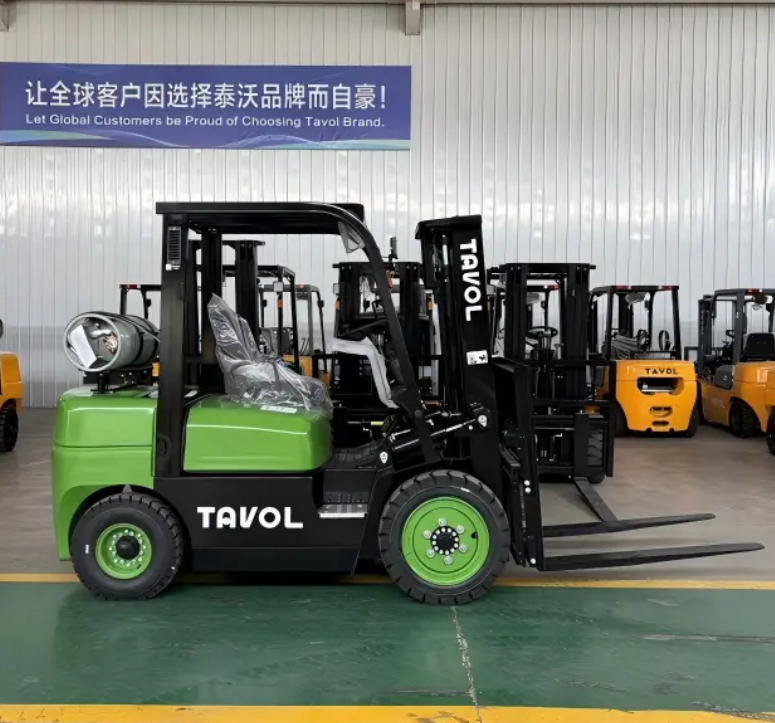
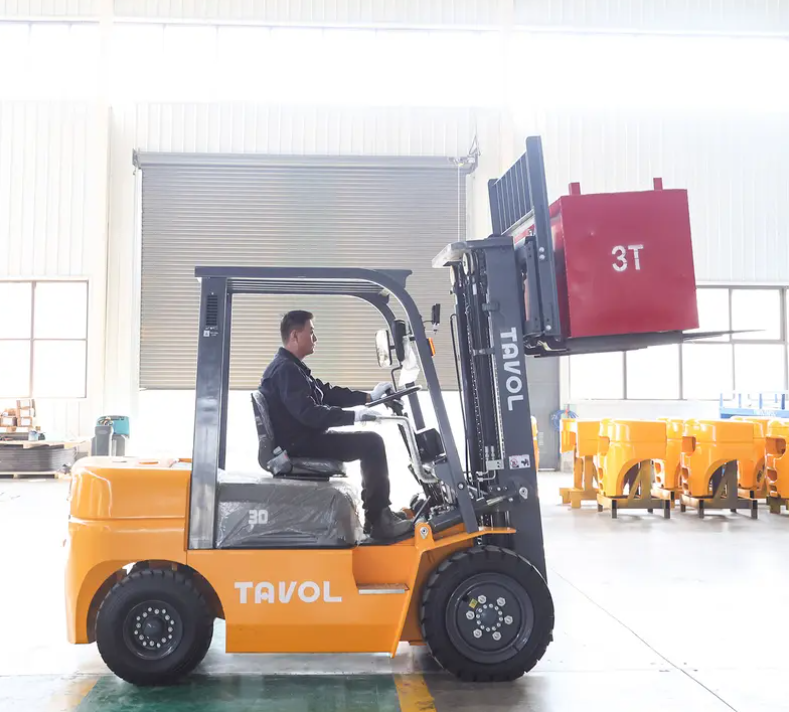
Forklifts are specifically designed for lifting and transporting heavy loads over short distances. The main feature is their fork-like attachments, which allow them to handle materials such as pallets, large boxes, or industrial equipment. Forklifts are ideal for use in warehouses and factories where goods need to be moved or stacked efficiently. They can lift loads up to high shelves, making them essential in material handling tasks.
What Makes a Lift Truck Different?
Lift trucks are designed to elevate people or equipment to higher positions rather than move heavy materials. Lift trucks, such as scissor lifts or boom lifts, are built for vertical movements, allowing operators to work at significant heights. These trucks are not typically used to transport heavy goods horizontally, but are essential for maintenance, inspections, or installations in elevated spaces.
Key Differences in Load Handling
Forklifts and Load Transport
Forklifts excel in transporting heavy, palletized materials and goods over short distances. They are perfect for loading and unloading trucks, moving materials around warehouses, or stacking goods. Forklifts are specifically built to handle heavy loads and are highly efficient in navigating tight spaces, making them ideal for industries focused on material handling.
Lift Trucks and Load Transport
While lift trucks can lift and elevate loads, they are not used for transporting materials horizontally. Instead, their primary function is to elevate personnel or equipment to perform tasks at height. Lift trucks are used in situations where workers need to access high places, such as maintenance or inspection work in warehouses or on construction sites.
Reach and Height Capabilities
Forklift Reach and Capabilities
Forklifts have excellent lifting capabilities but are typically limited in how high they can elevate loads. They are designed to stack materials to moderate heights (usually up to 15 feet), making them suitable for most indoor environments like warehouses and distribution centers. Forklifts are ideal for lifting and stacking materials in a confined space but are less efficient for reaching greater heights.
Lift Truck Reach and Capabilities
Lift trucks, such as scissor lifts or boom lifts, are specifically designed to reach much higher altitudes. These trucks can elevate workers, tools, and equipment to heights of 30 feet or more, making them ideal for tasks requiring access to high areas. They are widely used in industries like construction, maintenance, and large-scale facilities where working at height is essential for completing tasks safely.
Operational Differences
Forklift Operation
Stability and Handling
Forklifts require careful balance to ensure stability when lifting heavy loads. The load should be centered and low on the forks to maintain control. Proper handling techniques are crucial, especially when operating in tight spaces or uneven surfaces. A forklift's stability is affected by the height of the load and the speed at which it's moved, so operators must adjust their handling accordingly.
Speed and Versatility
Forklifts are built for fast, horizontal movement, allowing operators to move materials quickly across short distances. Their speed and versatility make them ideal for environments where material handling needs to be efficient, such as warehouses or construction sites. Forklifts can quickly lift, move, and stack materials, making them essential in high-traffic areas.
Lift Truck Operation
Safety for Elevated Work
Lift trucks are specifically designed for elevated tasks, and their operation prioritizes safety. When working at heights, stability is crucial to prevent accidents. Lift trucks, such as scissor lifts and boom lifts, often have stabilizers or outriggers to ensure balance when raised. Safety features like guardrails and platforms are also key components that protect workers in elevated positions.
Speed and Precision
Lift trucks are slower compared to forklifts because they are focused on precision and stability when operating at heights. These trucks require careful control to prevent tipping while lifting workers or equipment to higher levels. The slower speed ensures the safety of workers at height, as quick movements could result in accidents. Their design emphasizes stability over speed, making them ideal for tasks like maintenance, inspections, or installations at elevated positions.
Cost and Maintenance Considerations
Forklift Cost vs. Lift Truck Cost
Forklift Purchase and Maintenance Costs
Forklifts are generally more affordable upfront compared to lift trucks. They are designed for heavy-duty material handling, which makes them a cost-effective choice for businesses needing to move large quantities of goods. However, maintenance costs can add up depending on the type of forklift, especially for those using advanced technology or running on fuel. Regular maintenance is necessary to keep forklifts running efficiently and safely, particularly for the engines and hydraulic systems.
Lift Truck Purchase and Maintenance Costs
Lift trucks are typically more expensive than forklifts due to their specialized nature. They are designed for lifting people or equipment to high altitudes, which adds to their cost. In addition to the higher initial price, lift trucks often require more frequent maintenance. Their hydraulic systems and elevation mechanisms need regular checks to ensure safe operation. This results in higher maintenance costs over time, especially when considering the wear and tear from lifting heavy equipment or personnel at significant heights.
Common Applications
Forklifts in Various Industries
In warehouses and logistics, forklifts play a vital role in material handling. They are used to move goods, stack pallets, and organize storage spaces. Forklifts are essential for efficiently transporting items from one location to another, ensuring smooth operations in high-traffic environments. They help maintain organization in tight spaces and allow for quick loading and unloading of trucks.
Forklifts in Construction
In construction, forklifts are used to lift materials to various heights and transport heavy items around the job site. They are crucial for moving building materials like bricks, cement, and steel beams to different levels of the construction site. Forklifts in construction sites help improve workflow, reducing manual labor and making heavy lifting much safer.
Lift Trucks in Specialized Roles
Lift Trucks for Elevated Work
Lift trucks, such as boom lifts and scissor lifts, are primarily used for tasks requiring vertical elevation. These machines are perfect for maintenance, installations, and repairs at height. Lift trucks provide safe access to high places, such as ceilings, building facades, or large equipment. They are commonly used in construction, facility maintenance, and any task where workers need to access elevated work areas safely.
Which Equipment is Right for Your Business?
Choosing Between Forklifts and Lift Trucks
Deciding Based on Your Needs
When deciding between a forklift and a lift truck, consider your primary needs. If your main goal is heavy material handling—such as lifting and transporting large, palletized loads—a forklift is your best option. Forklifts excel in warehouses, loading docks, and other areas requiring horizontal movement of goods.
For tasks that involve elevating personnel, equipment, or materials to higher positions, a lift truck is more suitable. Lift trucks are ideal for jobs requiring vertical access, such as maintenance, repairs, or installations at height. If your business requires elevated access, such as working on high shelves or ceilings, a lift truck will provide the necessary functionality.
Industry-Specific Guidance
Forklifts are more commonly used in industries like construction, logistics, and manufacturing. They are the go-to option for material handling and moving heavy loads, making them ideal for construction sites, warehouses, and factories.
On the other hand, lift trucks are essential for jobs requiring safe vertical access. In industries like facility maintenance, telecommunications, or any business requiring workers to access heights for repairs, lift trucks—like boom lifts and scissor lifts—are the preferred choice. These specialized trucks are designed for elevated tasks, ensuring safety and efficiency when working at height.
Conclusion
Forklifts and lift trucks serve different purposes. Forklifts are ideal for material handling and moving heavy loads. Lift trucks, on the other hand, are specialized for elevating personnel or equipment to heights.
Carefully assess your business needs before choosing, whether it's handling materials or working at elevated heights. Each equipment type offers unique advantages for different tasks. Welcome to Tavol Consulting Products!
FAQ
Q: Which equipment is more versatile, a forklift or a lift truck?
A: Forklifts are more versatile, as they are used for moving heavy loads over short distances, while lift trucks specialize in elevating people or equipment to greater heights.
Q: Can a forklift be used for elevated tasks?
A: Forklifts are designed for horizontal material handling and are not typically used for tasks requiring vertical lifting, which is the function of lift trucks.
Q: How do I decide whether to use a forklift or a lift truck?
A: If you need to move heavy goods, a forklift is your best option. For elevated work or accessing high areas, a lift truck is more suitable.
Q: What industries typically use forklifts and lift trucks?
A: Forklifts are commonly used in warehouses, construction, and logistics, while lift trucks are ideal for maintenance, repairs, and tasks requiring height access in industries like construction and telecommunications.


