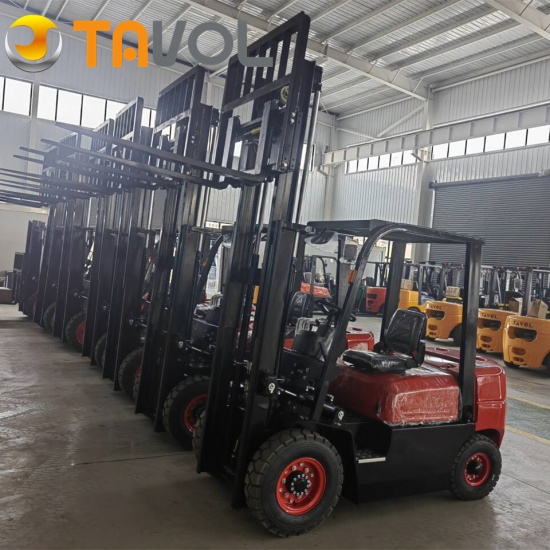
Purchasing or leasing a material handling fleet represents a major capital expenditure for any facility. Choosing the wrong power source leads to hidden maintenance hurdles, severe compliance violations, and frustrating workflow bottlenecks. Many operations managers underestimate the long-term impact of this vital decision. For decades, the traditional Diesel Forklift stood as the undisputed standard for heavy-duty material handling. However, recent advancements in battery technology have propelled electric alternatives into direct, fierce competition.
We must move past standard manufacturer marketing claims to make an informed choice. This guide provides an objective, evidence-based framework to evaluate both power options. You will learn how to assess application environments, facility infrastructure realities, and strict regulatory compliance requirements. We will help you navigate the complex constraints of indoor air quality versus outdoor ruggedness. By the end of this guide, you will confidently identify the exact equipment profile your specific facility demands.
Key Takeaways
Environment Dictates Power: A diesel forklift remains the superior choice for rugged, outdoor, and unpredictable weather environments, while electric models are mandatory for poorly ventilated indoor spaces.
Expense Inversion: Electric forklifts require a significantly higher upfront investment (due to batteries and chargers) but generally yield lower long-term fuel and maintenance costs.
Infrastructure Reality Check: Transitioning to electric requires evaluating facility electrical capacity and dedicating space for charging stations, whereas diesel relies on accessible fuel storage and delivery.
Compliance is Non-Negotiable: OSHA and EPA emission standards strictly govern indoor diesel usage; ignoring these can result in severe fines and operator health risks.
Evaluating the Work Environment: Indoor vs. Outdoor Demands
Electric models absolutely dominate modern indoor spaces today. They produce zero tailpipe emissions during operation. They also operate at exceptionally low noise levels. These two factors create a much safer, more comfortable environment for your workforce. You face immense risks if you run internal combustion engines indoors without meticulous planning. Extreme ventilation requirements become immediately necessary to maintain air quality. Carbon monoxide buildup poses a lethal threat to warehouse personnel.
Furthermore, specialized industries face severe inventory contamination risks. Food and pharmaceutical operations cannot tolerate airborne particulates. Diesel exhaust easily settles on sensitive packaged goods. You must prioritize completely clean operations in these strictly regulated sectors.
Outdoor environments present an entirely different set of operational challenges. Here, the traditional Diesel Forklift showcases its true engineering advantages. These machines feature significantly higher ground clearance. They utilize robust pneumatic tires designed specifically for uneven, broken surfaces. Manufacturers build them utilizing sealed internal components.
These components resist heavy rain, thick mud, and extreme temperature fluctuations effortlessly. You can operate them reliably through harsh winters or blistering summers. Conversely, electric models often struggle in rigorous outdoor applications. Their sensitive electrical components remain highly vulnerable to moisture ingress. Heavy rain can ground an electric fleet quickly. Extreme cold or heat drastically reduces overall battery efficiency. You will notice noticeably shorter run times during peak summer heat or freezing winter mornings.
Best Practice: Never assume an electric unit labeled "outdoor-rated" handles deep mud like a pneumatic combustion model. Always match the tire type and chassis clearance directly to your specific yard conditions.
Performance, Payload, and Shift Capacity
Torque and Lifting Power
Modern high-capacity electric units are certainly closing the historical performance gap. However, a heavy-duty internal combustion engine still provides superior sustained torque. You need this specific torque for lifting maximum-capacity loads over uneven gradients. They push up steep facility ramps without dropping engine power. They handle continuous, heavy-load cycles without overheating their internal components. When you lift dense materials like raw steel or lumber, you rely on this raw mechanical power.
Refueling vs. Recharging (The Uptime Equation)
Uptime dictates your facility's overall productivity and output. Internal combustion models offer incredibly quick refueling capabilities. An operator can fill a standard fuel tank in under five minutes. This incredible speed supports uninterrupted 24/7 operations effortlessly. You avoid complex fleet logistics and rigid charging schedules. You simply refuel the machine and immediately return to work.
Electric units require highly strategic charging management. You must plan daily shifts around specific battery chemistry. Traditional lead-acid batteries demand a very rigid schedule. They require eight uninterrupted hours to charge fully. They then need eight hours to cool down properly. Multi-shift operations require expensive battery swapping infrastructure. You must physically remove the depleted battery and insert a fresh one. Lithium-ion technology changes this dynamic entirely. It allows opportunity charging during standard operator breaks. You can plug them in for twenty minutes and gain significant power. However, lithium-ion setups cost considerably more upfront.
Summary Comparison Chart: Uptime and Capacity
Power Source
Refuel/Recharge Time
Sustained Torque
Multi-Shift Viability
Diesel Engine
Under 5 minutes
Excellent (Best for inclines)
High (No extra equipment needed)
Lead-Acid Battery
8 hrs charge + 8 hrs cool
Good (Adequate for flat floors)
Low (Requires battery swapping)
Lithium-Ion Battery
1-2 hours (Supports short bursts)
Very Good
High (Opportunity charging allowed)
Upfront Acquisition vs. Long-Term Expenses
Initial Acquisition Cost
Base unit prices differ significantly between the two distinct power sources. An electric forklift inherently carries a notably higher initial price tag. You can expect to pay 20% to 40% more upfront. This premium stems directly from the expensive battery and the specialized charging station. The base chassis might cost exactly the same, but the power source drives up the invoice. You must budget carefully for these substantial initial capital outlays.
Operating Expenses (Fuel vs. Electricity)
You must build a solid framework for analyzing ongoing operational expenses. Compare your local liquid fuel prices against commercial kilowatt-hour rates. Electricity generally offers a much lower per-hour running expense in most regions. However, this distinct advantage requires consistently high utilization. If your equipment only runs two hours a day, the electric efficiency benefits accumulate very slowly. It takes much longer to justify the initial battery premium. Heavy, continuous multi-shift usage accelerates the long-term value of your battery investment.
Lifecycle and Equipment Depreciation
Evaluate the realistic functional lifespan of your chosen equipment. A well-maintained internal combustion engine runs reliably for tens of thousands of hours. You can rebuild the engine multiple times to extend its functional life. Batteries face strict, unavoidable chemical degradation cycles. A standard lead-acid battery might last five years under heavy use. A premium lithium-ion battery might last seven to ten years. You will eventually face a massive replacement cost when the battery completely dies. Plan for this inevitable lifecycle expense in your long-term fleet forecasting.
Maintenance Downtime and Infrastructure Requirements
Maintenance Realities
Internal combustion engines demand incredibly strict preventative maintenance schedules. You must perform regular engine oil changes. You must systematically replace air, fuel, and hydraulic filters. You must actively monitor engine coolant levels and transmission fluid. These machines possess hundreds of intricate moving parts. More moving parts inevitably mean higher wear-and-tear potential over time. If you neglect routine maintenance, the engine will inevitably fail.
Electric models feature remarkably few moving parts by comparison. They completely eliminate the engine, transmission, and radiator. You never have to change engine oil or replace spark plugs. Maintenance tasks are largely restricted to tires, hydraulics, and basic battery care. If you utilize lead-acid batteries, you must water them regularly. You must also equalize them weekly to prevent damaging sulfation. Lithium-ion batteries require almost zero daily physical maintenance.
Common Maintenance Mistakes:
Failing to wear appropriate personal protective equipment (PPE) when watering lead-acid batteries.
Ignoring the strict cool-down period for traditional batteries, causing irreversible cell damage.
Skipping routine air filter replacements on combustion engines operating in dusty outdoor yards.
Facility Infrastructure Sunk Costs
Transitioning to electric power introduces unexpected hidden facility costs. You must evaluate your building's electrical infrastructure deeply. Does your facility possess the raw grid capacity to charge an entire fleet? You might need to pay the utility company for an expensive transformer upgrade. You also need dedicated physical space for charging. OSHA heavily regulates lead-acid battery charging rooms. You must install mandatory eye-wash stations. You must install specialized ventilation systems to extract explosive hydrogen gas.
Compare these complex requirements to traditional fuel infrastructure. You must navigate local municipal regulations for on-site fuel tanks. You need to coordinate reliable fuel delivery logistics with a vendor. However, establishing an outdoor fuel tank is often much simpler than rewiring an aging warehouse.
OSHA Compliance, Operator Safety, and Emissions
Regulatory Pressures
Environmental agencies strictly monitor industrial emissions across all sectors. The EPA enforces rigorous Tier 4 Final emission standards for all new diesel engines. These standards drastically reduce harmful particulate matter and nitrogen oxides. They dictate modern equipment procurement strategies for every facility. You must ensure your new equipment meets these current federal environmental standards.
Furthermore, OSHA rigidly enforces safety standard 1910.178. This crucial regulation governs indoor air quality and facility ventilation. Running combustion engines indoors triggers strict carbon monoxide monitoring requirements. You face severe financial penalties if you violate these vital air quality standards.
Ergonomics and Operator Fatigue
Do not ignore the daily physical toll on your operators. Internal combustion models produce noticeable chassis vibration. They also operate at much higher decibel levels during heavy lifting. Eight hours of continuous noise and vibration cause significant operator fatigue. This fatigue directly reduces productivity and increases accident risks.
Electric units offer near-silent operation and minimal chassis vibration. Operators experience far less fatigue and maintain better focus. However, this extreme quietness introduces unique safety risks. Pedestrians often cannot hear an electric forklift approaching in a busy warehouse. You must enforce strict adherence to visual warning lights, blue safety spotlights, and loud backup alarms in busy pedestrian zones.
The Decision Matrix: How to Shortlist Your Next Forklift
Follow this concrete, step-by-step shortlisting logic to secure the right equipment for your operations.
Step 1: Rule-outs based on environment. Start your search with hard operational limitations. If you operate entirely indoors with poor ventilation, eliminate internal combustion immediately. If you work entirely outdoors on rough terrain in heavy rain, eliminate standard electric models.
Step 2: Evaluate Operational Intensity. Map out your exact shifts per day. Determine your total running hours per week. High continuous utilization often justifies the steep battery premium. Low sporadic usage typically favors internal combustion models.
Step 3: Audit Facility Infrastructure. Consult your facility managers early in the process. Compare your current power grid capacity against potential electrical upgrade fees. Weigh this directly against local fuel storage limits and routine delivery fees.
Step 4: Request Demos and Pilot Testing. Never buy expensive equipment based solely on a sales brochure. Advise your team to test load capacities on your specific facility gradients. Watch how the machine handles your actual daily workflow before committing to a purchase.
Conclusion
Ultimately, neither power option is universally superior across every application. Your final equipment choice relies entirely on the intersection of your facility environment, daily utilization hours, and available capital. You must carefully weigh the substantial upfront battery investment against long-term operational efficiency and reduced maintenance downtime. We strongly encourage buyers to conduct a comprehensive site survey first. Next, consult with a trusted material handling dealer to run a localized operational projection. Finally, thoroughly review your local municipal emissions regulations. Taking these deliberate steps ensures you acquire equipment that maximizes facility uptime and minimizes daily operational headaches.
FAQ
Q: Can a diesel forklift be used indoors?
A: Yes, but it is heavily restricted. OSHA requires specialized exhaust purifiers and high-volume facility ventilation to manage dangerous carbon monoxide levels. We generally discourage indoor usage unless absolutely necessary for specific heavy-lift applications in wide-open, highly ventilated structures.
Q: Can electric forklifts be used outside?
A: Yes. Many modern electric models feature weatherproofing and are rated for outdoor use. However, they operate best on paved, flat surfaces. They generally struggle in deep mud, heavy rain, or extreme temperatures compared to traditional internal combustion models.
Q: How long do forklift batteries last compared to a diesel engine?
A: Average battery cycle life varies by chemistry. Lead-acid batteries typically last about five years. Advanced lithium-ion batteries can last up to ten years. In contrast, a well-maintained internal combustion engine reliably delivers over 10,000 hours of service before requiring a major overhaul.
Q: Is an electric forklift always cheaper to run?
A: No. While daily operational electricity costs are usually lower than liquid fuel, low-utilization operations suffer. If you only run the machine a few hours weekly, you may not recoup the extremely high initial battery cost before the battery naturally degrades over time.