Forklifts are essential tools in industries such as logistics, manufacturing, and warehousing. When choosing a forklift for a specific application, businesses often weigh the pros and cons of various models. One popular option is the LPG (Liquefied Petroleum Gas) forklift, which offers a balance between the power of a combustion engine and the efficiency of electric forklifts. In this article, we will delve into the specifics of LPG forklifts, exploring how they work, their benefits, and when they are the best choice for your business.
1.Understanding LPG Forklifts
What Does LPG Stand For?
LPG stands for Liquefied Petroleum Gas, a clean-burning fuel that is a mixture of propane and butane. It is commonly used in forklifts because of its efficiency and lower emissions compared to diesel fuel. When stored in a pressurized tank, LPG exists as a liquid but turns into gas when released. This gas is then used to power an engine through combustion.
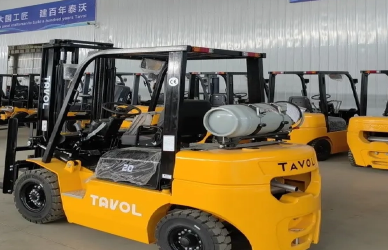
LPG is stored in a tank on the forklift and powers an internal combustion engine. In this setup, the gas is vaporized before being mixed with air and ignited in the engine’s combustion chamber, producing the power needed to operate the forklift.
How Does an LPG Forklift Work?
The basic principle behind an LPG forklift is similar to that of a gasoline-powered vehicle. The fuel is stored in a pressurized tank, which, when opened, turns the LPG into a vapor. The vapor then enters the engine’s combustion chamber, where it is mixed with air and ignited by the engine’s spark plug. The resulting combustion produces the power needed to drive the forklift’s wheels and lift heavy loads.
What sets LPG forklifts apart from their diesel or electric counterparts is that they use liquid gas as fuel, providing a balance of high power output and cleaner emissions. The liquid gas is converted into vapor, allowing the engine to run with a smooth and consistent power delivery. This is beneficial for both indoor and outdoor applications, as it provides a more versatile solution than electric forklifts, which are typically confined by their battery life.
Differences Between LPG and Other Forklifts
LPG forklifts offer a variety of benefits compared to both electric forklifts and diesel forklifts. While electric forklifts are favored for their clean energy and low operating costs, they have limitations in terms of battery life and charging times. Diesel forklifts, on the other hand, provide higher power output for heavy-duty operations but come with the downside of higher emissions and increased fuel costs.
Here’s a comparison of LPG forklifts with electric and diesel models:
Electric Forklifts: Best suited for indoor use due to zero emissions. They require charging stations and are limited by battery runtime.
Diesel Forklifts: Provide high power for heavy-duty tasks but are less environmentally friendly, producing higher emissions.
LPG Forklifts: A balanced solution offering both high power and cleaner emissions. They can be used indoors and outdoors, making them more versatile than electric forklifts.
While electric forklifts are known for being cost-effective in the long term, LPG forklifts strike a middle ground by offering excellent performance, extended range, and cleaner emissions.
2.Benefits of Using an LPG Forklift
Power and Performance
One of the key benefits of LPG forklifts is their high power output. LPG forklifts offer excellent performance for heavy lifting and demanding tasks. Unlike electric forklifts, which can be limited by battery life, LPG forklifts are ideal for operations that require continuous operation without needing to pause for recharging. LPG fuel provides a consistent power output that allows forklifts to run for longer hours without interruptions, making them an excellent choice for operations that require extensive material handling.
LPG forklifts are highly effective in environments that require a combination of indoor and outdoor use, offering the power and flexibility needed to move materials across different terrains and facilities. Whether you're moving pallets inside a warehouse or transporting goods between outdoor loading docks, LPG forklifts provide the power and reliability necessary for the job.
Lower Emissions and Environmental Impact
Compared to diesel-powered forklifts, LPG forklifts produce significantly lower emissions, making them a more environmentally friendly option. LPG burns cleaner than diesel, releasing fewer particulates, carbon monoxide, and nitrogen oxides into the atmosphere. This makes LPG forklifts suitable for use in environments where air quality is a concern, such as warehouses, grocery distribution centers, or retail spaces that need to comply with environmental regulations.
While not as eco-friendly as fully electric forklifts, which produce zero emissions, LPG forklifts offer a cleaner alternative to diesel-powered equipment, making them a more sustainable option for businesses looking to reduce their carbon footprint.
Flexibility for Indoor and Outdoor Use
Unlike electric forklifts, which are typically limited to indoor environments due to their reliance on batteries, LPG forklifts are designed to be used both indoors and outdoors. The clean-burning nature of LPG allows forklifts to operate in warehouses with limited ventilation, while their durability makes them suitable for outdoor use in harsh weather conditions.
In applications where forklifts need to move between indoor and outdoor spaces, such as large manufacturing plants or distribution centers, LPG forklifts provide a versatile solution. This flexibility makes them ideal for environments that require frequent transitions between different operational areas.
3.When to Choose an LPG Forklift
Applications Suited for LPG Forklifts
LPG forklifts are well-suited for various industries, especially those that require heavy-duty performance and extended operational hours. These forklifts are commonly used in:
Warehouses: High-demand warehouses benefit from the flexibility and power of LPG forklifts, especially in environments where frequent lifting and moving of goods are required.
Manufacturing Plants: In manufacturing plants, LPG forklifts can operate continuously for long shifts, moving materials between production areas and loading docks.
Outdoor Operations: Unlike electric forklifts, which are limited by battery life and recharging needs, LPG forklifts can work in both indoor and outdoor environments, making them ideal for industries that require flexibility across various work areas.
LPG forklifts are especially advantageous in operations where forklift downtime for charging or refueling is a concern, and the ability to work in mixed environments is required.
Choosing LPG Forklifts for Fleet Operations
When considering LPG forklifts for your fleet, it’s essential to evaluate several factors:
Fuel Costs: LPG is more cost-effective than diesel in many cases, but it may be more expensive than electric energy in some regions.
Fuel Availability: LPG is widely available and can be refilled at refueling stations, which is convenient for high-demand operations.
Maintenance Requirements: LPG forklifts require regular maintenance to keep the engine and fuel system in optimal condition. These maintenance costs are typically higher than for electric forklifts, but lower than for diesel engines.
LPG forklifts are a versatile and efficient solution for companies that require a balance of high power, environmental responsibility, and flexible operational capabilities.
4.Maintenance and Costs of LPG Forklifts
Routine Maintenance for LPG Forklifts
Like any forklift, LPG models require regular maintenance to ensure safety and performance. Some common maintenance tasks include:
Fuel System Checks: Regular inspection of the LPG tank, hoses, and connections is necessary to prevent leaks and ensure safe operation.
Engine Maintenance: Routine checks on the engine, including the spark plug, ignition system, and air filters, will help keep the forklift running efficiently.
Lubrication: Proper lubrication of moving parts such as chains, mast, and bearings is crucial to reduce wear and ensure smooth operation.
Routine maintenance is essential for extending the life of an LPG forklift and ensuring its safe operation in both indoor and outdoor settings.
Comparing Operational Costs
While LPG forklifts have a higher upfront cost compared to electric forklifts, they tend to have lower operating costs than diesel forklifts. The fuel cost of LPG is usually lower than that of diesel, and LPG forklifts do not require the high maintenance costs typically associated with diesel engines. However, LPG forklifts may incur higher fuel costs than electric forklifts, which depend on electricity prices for recharging their batteries.
It’s important to consider both fuel and maintenance costs when choosing the most cost-effective solution for your business.
FAQ
1. How does an LPG forklift compare to an electric forklift?
LPG forklifts provide high power and flexibility for both indoor and outdoor use, while electric forklifts are ideal for indoor environments with no emissions. LPG forklifts can operate for longer hours without needing a recharge.
2. Can LPG forklifts be used indoors?
Yes, LPG forklifts are suitable for indoor use, especially in well-ventilated areas. They produce fewer emissions than diesel-powered forklifts, making them a cleaner option for indoor environments.
3. Are LPG forklifts more expensive to maintain than electric forklifts?
LPG forklifts generally require more maintenance than electric forklifts, especially related to the engine and fuel system. However, they still tend to be more cost-effective than diesel forklifts.
4. Can LPG forklifts be used in cold environments?
Yes, LPG forklifts can be used in cold environments. They are ideal for outdoor operations, as they don’t rely on batteries that can degrade in low temperatures like electric forklifts.
Conclusion
LPG forklifts provide a strong balance of power, performance, and flexibility, making them a top choice for businesses with heavy-duty material handling needs that require both indoor and outdoor capabilities. They offer a cleaner alternative to diesel forklifts, with lower emissions and the ability to operate continuously without the need for recharging.
For businesses that need a forklift capable of handling demanding tasks and working in varied environments, an LPG forklift is an excellent choice. By understanding their benefits, applications, and maintenance requirements, you can make a well-informed decision about integrating LPG forklifts into your operations.


