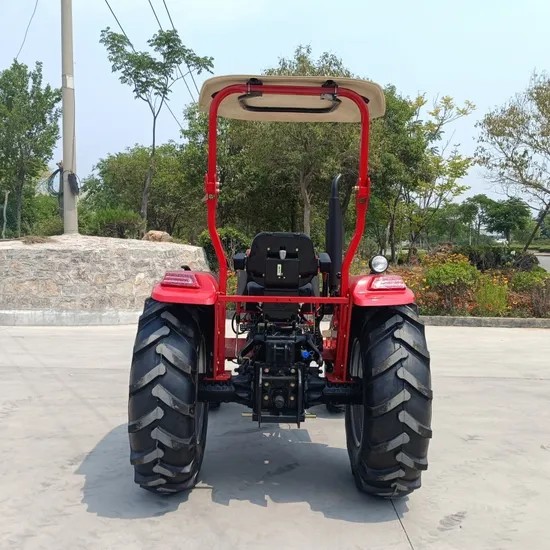
Farm scaling often introduces a heavy operational bottleneck for growers. Labor inefficiency, physical fatigue, and tight time constraints quickly overwhelm smaller equipment. Manual tools, ATVs, and two-wheel tractors eventually hit a hard performance ceiling. You simply reach a point where working harder no longer works.
We must view the four-wheel Agricultural Wheel Tractor as more than just a vehicle. It acts as the central power plant and ultimate multi-tool for any growing commercial farm. Without the right mechanized support, acreage expansion becomes an agronomic risk rather than a profitable opportunity.
This article delivers a financially grounded framework for evaluating these machines. You will learn how to select a unit matching your specific yields and terrain realities. We break down the exact specifications and implementation steps needed to drive your farm forward.
Key Takeaways
Upgrading to a four-wheel agricultural wheel tractor is justified when labor costs and task duration outpace the monthly financing or depreciation costs of the machine.
Purchasing decisions must be based on PTO (Power Take-Off) horsepower and hydraulic capacity, not just engine horsepower.
Safety and infrastructure (ROPS, storage, ground compaction) must be accounted for in the implementation phase.
The Tipping Point: When to Upgrade to a Four-Wheel Agricultural Wheel Tractor
Farms often experience growing pains before operators realize they lack adequate equipment. You might notice delayed planting windows because primary tillage takes too long. Seasonal labor costs might spike as you hire extra hands for tasks machines should handle. An inability to manage acreage expansion often signals an under-equipped farm. When crop plans outpace physical labor capacity, farm profitability drops sharply.
Many beginners attempt to bridge this gap using alternative vehicles. They soon discover strict limitations. ATVs serve well for basic transport and light towing. However, they lack the PTO and heavy draft capacity required for ground-engaging tasks. Two-wheel walk-behind tractors excel in small market gardens. Yet, they cause severe operator fatigue at scale. Their slower operational speeds make them impractical once a farm exceeds a few acres. These tools eventually hit a performance ceiling.
Upgrading requires clear success criteria. A successful tractor investment transforms daily operations. You should expect several specific outcomes:
Reduced hours per task: Plowing or mowing should take hours, not days.
Mechanized implement capabilities: You must be able to run powered equipment effortlessly.
Operator longevity: A comfortable ride preserves your physical health over long seasons.
Common Mistake: Waiting until the busy season to buy a tractor often leads to rushed decisions. Plan your upgrade during winter months to ensure thorough research.
Core Evaluation Framework: Specs That Dictate Farm Outcomes
Choosing the right Agricultural Wheel Tractor requires looking beyond the glossy sales brochure. You must understand the mechanical specifications dictating real-world performance. Engine horsepower often grabs headlines, but it rarely tells the full story.
Engine HP vs. PTO HP
Engine horsepower measures the raw power generated at the motor. PTO (Power Take-Off) horsepower measures the actual power delivered to the rear shaft. This distinction proves crucial. The PTO drives heavy implements like tillers, balers, and rotary mowers. A tractor might boast 40 Engine HP but only deliver 32 PTO HP. Always base your implement sizing and purchasing decisions on the PTO rating. Undersizing your PTO leads to bogged-down engines and damaged equipment.
Drivetrain and Traction Needs
You must evaluate your traction needs skeptically. Dealers often push four-wheel drive (4WD or MFWD) models. 4WD is absolutely essential for muddy conditions, front-end loader work, and steep grades. It provides the necessary bite to push into heavy material. Conversely, two-wheel drive (2WD) models offer tighter turning radiuses. They suffice perfectly for flat, dry row crops where draft pulling remains minimal. Assessing your terrain honestly saves money.
Transmission Types
The transmission dictates how you interact with the machine daily. Different tasks require different gearing mechanisms.
Tractor Transmission Comparison Chart
Transmission Type
Mechanism
Best Suited For
Drawbacks
Hydrostatic (HST)
Fluid-driven pedals for seamless speed changes.
Front-end loader work, frequent shifting, mowing.
Slight loss of PTO power; generates heat under heavy draft.
Gear / Shuttle Shift
Manual clutching and fixed gear selections.
Continuous field work, heavy draft pulling, plowing.
Slower direction changes; can cause leg fatigue.
Hydraulic Flow Rate
Hydraulic flow rate is measured in gallons per minute (GPM). This metric serves as the lifeblood of your attachments. GPM dictates both the speed and lifting capacity of your front-end loader. A low GPM rating means your loader will lift sluggishly. High GPM allows for snappy, responsive loader controls. It also powers complex rear implements. Always verify the hydraulic flow meets the requirements of your heaviest attachment.
Matching Tractor Capabilities to Your Primary Farm Enterprise
No single tractor fits every agricultural operation. An Agricultural Wheel Tractor must align specifically with your primary daily tasks. Different crops and livestock operations demand distinct chassis profiles and feature sets.
Market Gardening and Row Crops
Vegetable producers require high precision. Ground clearance remains paramount to avoid crushing mature crops during cultivation. You should look for models offering adjustable wheel spacing (tread width). This allows tires to straddle standardized bed widths perfectly. Additionally, "creep" speeds are essential. Ultra-slow gearing lets operators run mechanical transplanters or perform slow harvesting without riding the clutch.
Livestock and Hay Management
Animal operations demand heavy lifting and rough-terrain stability. Your focus should center on the front-end loader (FEL) lift capacity. Moving round bales requires significant breakout force. Stability becomes critical when raising heavy loads. You must ensure the tractor can handle sufficient rear weight or liquid ballast. Proper ballasting prevents the rear wheels from lifting off the ground when moving dense hay bales.
Orchards and Vineyards
Tree fruit and grape producers face spatial constraints. Standard tractors easily snag branches or damage trellises. You need a narrow track width to navigate tight rows safely. Low-profile ROPS (Roll-Over Protective Structures) prevent the machine from clipping low-hanging limbs. Furthermore, specialized PTO configurations might be necessary to run high-capacity air-blast sprayers efficiently.
Best Practice: Always measure your narrowest farm gate, barn door, and crop row before finalizing a purchase. Modifying infrastructure later costs significantly more than buying the correct footprint upfront.
Financial Planning and Avoiding Buyer's Remorse
Farm machinery represents a massive capital injection. Focusing solely on the sticker price of the base machine often leads to disaster. Smart budgeting ensures long-term operational success without crippling cash flow.
Upfront Cost vs. Implements
A bare tractor performs almost no useful work. Buyers frequently spend their entire budget on the machine itself. This leaves no capital for the attachments that actually perform the labor. Adopt a strict allocation rule. Aim to spend approximately 60% of your budget on the tractor. Reserve the remaining 40% for quality implements like mowers, loaders, and tillers. This ratio guarantees a fully functional setup on day one.
New vs. Used Considerations
The new versus used debate requires a balanced view. Buying new provides comprehensive warranties and easier financing terms. It delivers peace of mind during crucial planting windows. Buying used offers significantly lower initial depreciation. However, used machinery carries hidden maintenance risks. Low engine hours do not always indicate good condition. Poor maintenance histories can lead to catastrophic transmission or hydraulic failures mid-season.
The Dealer Proximity Rule
Brand loyalty often clouds judgment. A closer, reliable dealer with strong parts availability provides immense value. This often trumps a marginally better tractor brand located 100 miles away. When a hydraulic hose bursts in May, you need a replacement today. Long travel times for warranty work or parts retrieval will devastate your harvest schedule. Prioritize local support infrastructure.
Hidden Operating Expenses
Machinery ownership involves continuous cash outflows. Many operators forget to budget for these ongoing expenses:
Fuel consumption: Heavy draft work burns diesel rapidly.
Insurance: Specialized farm equipment coverage is necessary for liability and theft.
Routine fluid replacements: Hydraulic fluid, engine oil, and coolant changes add up quickly.
Deploying heavy machinery changes farm dynamics instantly. It introduces new agronomic impacts and safety hazards. Proper implementation protocols separate successful scaling from operational disasters.
Safety Infrastructure
Safety is entirely non-negotiable. ROPS (Roll-Over Protective Structures) save lives annually. You must never operate a tractor with the ROPS folded down unless absolutely necessary for low clearance. Seatbelt usage must become habitual. Operating heavy machinery on slopes introduces severe rollover risks. Operators must learn to drive straight up and down inclines, never horizontally across a steep grade.
Soil Compaction Management
Heavy wheel traffic presents a serious agronomic risk. Four-wheel machines compress soil aggregates, destroying porosity and restricting root growth. You must implement active mitigation strategies. Managing tire pressure helps spread the machine's footprint. Upgrading to wider flotation tires reduces pounds per square inch (PSI) on the soil surface. Many successful farms establish permanent bed tracks. By driving on the exact same paths year after year, compaction remains isolated strictly to the wheel aisles.
The Adoption Curve
Expect a realistic learning curve during rollout. Hooking up implements requires physical dexterity and patience. Connecting a heavy 3-point hitch implement often causes frustration for beginners. PTO shafts require precise alignment. Operators must also learn regular maintenance routines. Greasing pivot points daily, checking hydraulic levels, and clearing radiator screens must become second nature. Training staff on these nuances takes time. Do not expect maximum efficiency during your first month of ownership.
Conclusion
An Agricultural Wheel Tractor remains a highly scalable asset when matched correctly to your farm. It transforms grueling manual labor into efficient, mechanized workflows. Success depends entirely on matching the machine's PTO power, hydraulic flow, and chassis profile to your specific daily tasks.
Take time to calculate your exact PTO requirements based on the largest implement you plan to run. Audit your local dealer reputations thoroughly before test-driving any models. Prepare your storage infrastructure and train yourself on safe operation protocols. By treating this purchase as a strategic business system, you ensure sustainable growth for your farming enterprise.
FAQ
Q: What is the difference between a compact and a utility agricultural wheel tractor?
A: Compact tractors feature smaller frames, lighter weights, and lower horsepower. They fit tight spaces and suit tasks like mowing or light loader work. Utility tractors possess heavier frames, larger tires, and robust hydraulic capacities. They are built for continuous field work, heavy draft pulling, and large-scale farming implements.
Q: Can I use an ATV instead of a small four-wheel tractor for my farm?
A: ATVs work well for transport, scouting, and pulling light trailers. However, they lack a PTO (Power Take-Off) and heavy 3-point hitches. They cannot run powered implements like rotary tillers or heavy mowers. Tractors provide the required weight and ground engagement capabilities ATVs simply cannot match.
Q: How much horsepower do I actually need for a 5-10 acre farm?
A: A 5-10 acre farm typically requires a tractor ranging from 25 to 40 engine horsepower. However, your desired implement size dictates the final number. If you plan to run a 5-foot rotary tiller or a heavy baler, you must ensure the tractor's PTO horsepower meets the implement's minimum requirements.
Q: Is it worth financing a new tractor or buying used with cash?
A: Financing new preserves your daily operating cash flow and provides warranty protection against mechanical downtime. It also may offer tax depreciation incentives. Buying used with cash eliminates monthly debt obligations. However, used buyers must keep emergency cash reserves for unexpected repairs and hidden mechanical failures.