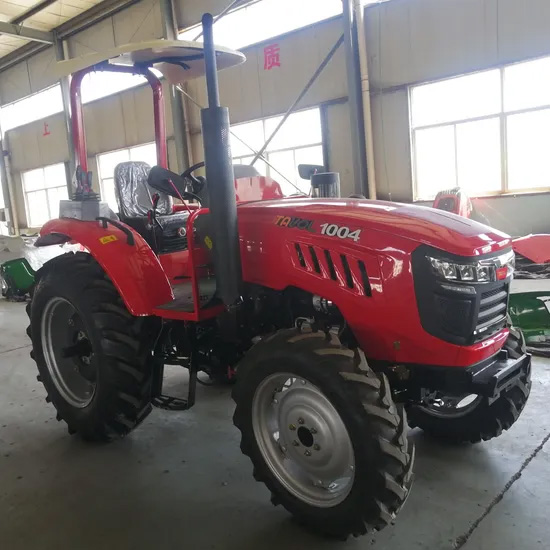
The introduction of the internal combustion engine profoundly changed global supply chains. Farming transformed rapidly from a slow, draft-animal reliance to a highly mechanized scale. We face similar core challenges today across the agricultural sector. Labor shortages, the need for yield optimization, and demands for faster operational speed dictate modern farm management. These identical forces drove early equipment adoption. They now dictate how you must evaluate your next machinery purchase.
You will discover the deep historical impact of early machines on global agriculture below. We then transition into a concrete, bottom-of-funnel evaluation framework. You will learn exactly how to select and size modern farm machinery correctly. We provide practical strategies to calculate return on investment effectively. You will learn to prioritize long-term operational efficiency over raw horsepower alone. This approach guarantees better equipment integration across your specific field applications.
Key Takeaways
The transition to mechanical power drastically reduced labor dependency while exponentially increasing acreage-per-operator capabilities.
Understanding the historical progression from basic drawbar power to precision agriculture helps baseline modern equipment expectations.
Modern evaluation of an agricultural tractor must prioritize Total Cost of Ownership (TCO), implement compatibility, and soil preservation over raw horsepower.
Mitigating implementation risks requires matching machine capabilities (e.g., telemetry, autonomous features) with existing farm infrastructure and operator readiness.
The Economic Shift: 4 Ways the Agricultural Tractor Reshaped Farming
The historical shift created a massive ripple effect across the global economy. Millions of draft animals left the fields permanently. Farmers quickly adopted mechanical power to survive thinning profit margins. This substitution changed farm economics completely. We view this historical foundation as the origin of modern operational key performance indicators (KPIs).
Labor to Capital Substitution: You no longer needed vast acres of pasture just to feed working horses. Early machines replaced draft animals directly. Farmers repurposed pasture land into profitable cash crop production. They reallocated manual labor to higher-level farm management. This shift transformed agriculture into a highly capital-intensive industry.
Exponential Acreage Scaling: We saw localized, subsistence-scale plots become massive broadacre commercial farms. A single operator could suddenly cover exponentially more ground every single day. This mechanical leverage unlocked unprecedented revenue potential. It allowed families to farm thousands of acres instead of dozens.
Yield Consistency and Timing: Weather windows dictate true agricultural success. A reliable Agricultural Tractor lets you execute planting and harvesting quickly. You hit narrow, optimal weather timeframes perfectly. This operational speed drastically reduces unexpected crop loss. It secures consistent seasonal yields year after year.
Standardization of Implements: Early agricultural tools operated independently. Soon, machines served as universal mobile power plants. Power take-off (PTO) shafts and external hydraulic systems became standard features. You could connect incredibly diverse tools to one central machine easily.
From Mechanical Draft to Precision Ag: Categorizing Solutions
We map historical evolutions directly to modern equipment categories. You have distinct choices today based on specific agronomic needs. Understanding these categories prevents expensive procurement mistakes.
Utility and Row-Crop Tractors
These machines represent the modern baseline for mixed-enterprise operations. They offer incredible daily versatility. You evaluate them primarily based on PTO horsepower. Daily operational reliability matters immensely here. We rely on them for diverse everyday tasks. They handle loader work, baling, and precise row spraying effortlessly. They typically range between 50 and 200 horsepower.
High-Horsepower & Articulated 4WDs
Manufacturers build these massive units exclusively for broadacre scale. You evaluate them on deep tillage capabilities. Traction efficiency remains a top priority during selection. They pull heavy, extremely wide implements across vast fields. They minimize wheel slip while maximizing ground engagement. These units routinely exceed 400 horsepower. They require careful ballast management to perform correctly.
Specialty and Orchard/Vineyard Tractors
Form factor drives these highly unique designs entirely. They feature extremely narrow track widths. You will notice their distinct low-profile structures. We use them where tight maneuverability dictates harvest success. They navigate dense crop rows without damaging valuable tree canopies or vines. Cab designs often feature specialized filtration systems for intensive spraying applications.
The Precision & Autonomous Frontier
This category represents the immediate future state of farming. We evaluate these advanced machines heavily on integrated technology. GPS-guided steering ensures perfect row spacing. ISOBUS Class 3 compatibility links the machine and the implement seamlessly. Variable-rate application maximizes input efficiency across variable soil zones. You automatically reduce expensive seed and fertilizer waste.
Tractor Category
Primary Use Case
Key Evaluation Focus
Typical Environment
Utility & Row-Crop
Loader work, baling, spraying, light tillage
Versatility, PTO HP, tight turning radius
Mixed farms, mid-sized row crops
Articulated 4WD
Deep ripping, broadacre planting, heavy pulling
Traction efficiency, heavy-implement draft
Large commercial grain/cereal farms
Specialty/Orchard
Vineyard maintenance, nut harvesting
Narrow track width, low-profile cab
Orchards, vineyards, specialized crops
Autonomous/Precision
Variable-rate application, 24/7 autonomous ops
ISOBUS compatibility, telemetry integration
Advanced precision agriculture grids
Evaluating Modern Agricultural Tractors: Features-to-Outcomes
We must connect technical specifications directly to your business outcomes. A decision-stage framework prevents you from buying redundant or inadequate machinery.
Raw horsepower often misleads prospective equipment buyers. You must calculate accurate power-to-weight ratios instead. We face a critical agronomic tradeoff daily. You clearly need sufficient traction to pull heavy ground-engaging loads. However, excess machine weight causes yield-destroying soil compaction. You must strike a delicate operational balance here. Heavy machines compress the fragile soil matrix deeply. This subsurface compaction aggressively reduces crop root growth. It severely limits crucial water infiltration during heavy rain events. Evaluate ballasting options carefully to optimize power delivery without destroying your soil structure.
You must also evaluate undercarriage systems carefully. Base your choice strictly on regional soil types and moisture levels. We provide a quick comparison chart below to highlight these traction mechanics.
Feature
Track Systems
Modern VF Tires (Very High Flexion)
Flotation
Superior in wet, muddy conditions.
Excellent, adapts well to variable inflation.
Compaction
Spreads weight across a long footprint.
Wider lateral footprint reduces surface rutting.
Road Travel
Generates high heat; limits top speed.
Smooth, fast, and highly fuel-efficient on tarmac.
Maintenance
Higher replacement costs for belts and idlers.
Generally lower ongoing maintenance expenses.
You must match hydraulic pump flow rates precisely. Measure this output flow in gallons per minute (GPM). Your current and future implements demand specific hydraulic capacities. Avoid the common trap of under-speccing your hydraulic system. An underpowered pump slows down planter operations drastically. It causes expensive implement malfunctions during critical seasonal tasks. A perfectly matched Agricultural Tractor handles continuous, intensive hydraulic demands effortlessly. Opt for closed-center, load-sensing hydraulic systems. They deliver flow strictly when required, which saves significant fuel.
Finally, assess the operator environment rigorously. Cab ergonomics directly impact long-term labor retention. Operators spend grueling 14-hour days inside these machines. A comfortable, climate-controlled cab reduces dangerous fatigue and costly operational errors. Furthermore, evaluate telemetry software options. Determine whether proprietary or open-source fleet management software suits you best. Open-source platforms often allow easier integration across mixed-brand fleets. This prevents you from getting locked into a single manufacturer's digital ecosystem.
Implementation Risks and Rollout Realities
You face unexpected hidden costs during equipment rollout. We must acknowledge these practical implementation realities to protect your operating capital.
Consider the hidden logistics of strict emissions compliance. Tier 4 Final and Stage V regulations mandate aggressive exhaust limits. You must factor in Diesel Exhaust Fluid (DEF) delivery and storage logistics. Diesel Particulate Filters (DPF) routinely require active heat regeneration. This high-temperature process causes unexpected operational downtime. Complex emissions systems require highly specialized diagnostic maintenance. You must plan for these inevitable service intervals. Ignoring emissions maintenance triggers engine derate modes, severely limiting your field speed.
Next, avoid the dangerous over-tech trap. Many buyers pay heavily for advanced precision features unnecessarily. RTK guidance systems offer incredible sub-inch accuracy. However, you absolutely need supporting farm infrastructure to utilize it. You need robust local cellular networks or fixed base stations. Your operators require extensive software training to maximize these complex tools. You risk wasting massive capital if your team cannot operate the terminal displays properly. We strongly advise matching technology upgrades directly to your actual operational readiness.
Residual equipment value fluctuates based on several external market factors. Brand support heavily influences the secondary machinery market. Dealer proximity plays a massive role in your eventual resale value. You must ensure robust replacement parts availability within your specific farming region. Machines lacking dedicated local dealer support depreciate extremely rapidly. A cheaper upfront purchase price often vanishes upon trade-in if the brand lacks local market penetration.
Finally, evaluate manufacturer diagnostic lockouts. Manufacturers increasingly utilize proprietary software firewalls. You often cannot clear basic engine fault codes yourself. This forces you to wait for certified dealer technicians to arrive. This harsh operational reality threatens narrow harvest windows. You lose valuable time waiting for a simple laptop reset. Evaluate a brand's historical stance on the right to repair before signing a purchase agreement.
Shortlisting Logic: Selecting the Right Equipment for Your Operation
We provide actionable next steps to streamline your equipment evaluation process. Follow this logic sequence to guarantee a successful procurement outcome.
Audit Current Implement Demands: Never buy new machinery in a vacuum. You must baseline the exact requirements of your heaviest implement. Document exact hydraulic flow rates and PTO horsepower needs. This rigorous audit prevents you from buying an undersized, incapable machine.
Map Acreage to Operating Windows: Calculate your required acreage per hour mathematically. You must hit optimal spring planting and autumn harvesting windows. Multiply your operating speed by implement width, factoring in field efficiency. This simple math determines your necessary engine horsepower. It guarantees you finish vital fieldwork before incoming weather turns poor.
Evaluate Dealer Ecosystems: Look far beyond the pure initial sticker price. Weigh the geographic proximity of replacement parts heavily. Ask the service manager about the availability of loaner equipment during unexpected breakdowns. Technician dispatch response times matter immensely during peak seasonal rushes. A highly supportive dealer keeps you running when mechanical components inevitably fail.
Request Field Demonstrations: Always mandate on-farm machinery demos under actual load. Test the specific Agricultural Tractor in your toughest soil conditions. You must physically verify glossy marketing claims against harsh operational realities. Ensure the tractor handles your specific tillage implements effortlessly without excessive wheel slip.
Conclusion
Historical machinery solved fundamental manual labor and physical power deficits. Today, modern procurement focuses heavily on digital data integration. You must prioritize daily operational efficiency and long-term soil health over sheer mechanical size. The right equipment physically transforms your daily agronomic workflow. It significantly reduces operator fatigue, limits subsoil compaction, and aggressively speeds up tight field operations.
We strongly encourage you to consult an equipment sizing matrix immediately. Contact a specialized machinery dealer to audit your current fleet operations thoroughly. Analyze your heavy implement demands meticulously before making any financial commitments. You can easily secure a massive competitive advantage by doing this upfront homework. Choose smart equipment matching your exact agronomic needs to maximize your seasonal profitability.
FAQ
Q: How did the first agricultural tractors change the economy?
A: They transitioned farming from labor-intensive to capital-intensive practically overnight. They freed up up to 20% of arable land previously used to feed draft animals. Farmers quickly reallocated these specific acres for profitable cash crops. This shift drove massive urbanization and scaled global food production rapidly.
Q: What is the most important factor when evaluating a new agricultural tractor today?
A: Implement compatibility and overall long-term operational costs stand out highest. A tractor must perfectly match the exact hydraulic and PTO demands of your heaviest implements. You must also account for expected fuel consumption, complex maintenance frequency, and aggressive depreciation rates over the machine's lifespan.
Q: How do I calculate the ROI of upgrading my farm equipment?
A: ROI is calculated by measuring the specific reduction in daily labor hours. Track your new fuel efficiency gains and decreased maintenance downtime closely. Add the increased yield generated from precision accuracy, like less seed and fertilizer overlap. Compare these combined savings against the financed cost of the machine.
Q: Are tracks better than tires on a modern agricultural tractor?
A: It depends entirely on your specific field application. Tracks offer superior flotation and reduced yield-destroying soil compaction in wet conditions. However, they carry substantially higher ongoing maintenance costs. Tracks also prove far less efficient for heavy road travel compared to modern VF (Very High Flexion) radial tires.