Electric forklifts have become a cornerstone of modern warehouse and logistics operations due to their efficiency, sustainability, and low operational costs. However, to maximize their productivity and ensure their long lifespan, regular maintenance is essential. Properly maintained electric forklifts perform at their best, extend the lifespan of critical components like batteries, and minimize downtime, which can directly impact the overall operational efficiency. This article presents the ultimate electric forklift maintenance checklist, providing the necessary steps to help you maximize your fleet's uptime and ensure your forklift’s battery performs at its best.
1.Why Preventive Maintenance Matters for Electric Forklifts
Preventive maintenance is crucial for electric forklifts because it directly influences the lifespan of the equipment, battery performance, and the safety of the operation. Neglecting regular maintenance can result in expensive repairs, reduced productivity, and frequent downtime, all of which are detrimental to business operations.
Protecting Battery Performance
The battery is arguably the most important component of an electric forklift, and it requires proper care to maintain its performance over time. Regular maintenance ensures that the battery charges efficiently and operates at full capacity, thereby extending its life. Neglecting battery care can lead to poor charging efficiency, premature battery failure, and even safety hazards. By following a well-defined maintenance schedule, you can ensure the battery operates optimally for longer.
Reducing Unplanned Downtime
Unplanned downtime is costly and disruptive to business operations. Preventive maintenance helps identify and address minor issues before they evolve into significant problems that cause equipment breakdowns. By performing routine checks and repairs, you can minimize the chances of a forklift breaking down in the middle of a workday, thus keeping your warehouse or production line running smoothly.
Improving Workplace Safety
A well-maintained forklift operates more safely, reducing the risk of accidents in the workplace. Safety features, such as brakes, steering, and visibility aids, need regular checks to ensure they function properly. By adhering to a maintenance checklist, you help prevent mechanical failures that could lead to accidents and injuries.
2.Daily Electric Forklift Maintenance Checklist
Daily maintenance checks are simple but vital tasks that can prevent bigger issues down the line. These checks ensure that the forklift is safe to operate and that its critical components are functioning properly.
Inspect the Battery and Charging Cable
Battery performance and charging efficiency are central to electric forklift operations. At the start of each shift, inspect the battery for any visible signs of damage or wear. Ensure that the connectors are clean, secure, and free from corrosion. Check the charging cable for any fraying or exposed wires. Also, verify that the charging port is in good condition and the battery is properly seated in the forklift.
Check Forks, Mast, and Chains
The forks, mast, and chains are responsible for lifting and lowering loads safely. Regularly inspect the forks for any visible cracks, bends, or deformation that could affect their ability to support heavy loads. Also, check that the mast and chains are properly lubricated and free from wear. The mast should move smoothly without any resistance or jerks, and the chains should be tensioned appropriately.
Examine Tires and Wheels
Tires are essential for maintaining stability and safety during operation. Inspect the tires for uneven wear, punctures, or any signs of damage. Ensure the wheels are properly aligned and free from obstructions. Under-inflated or damaged tires can lead to poor handling, which can reduce the safety and productivity of your electric forklift.
Test Brakes and Steering
Before operating the forklift, test the braking system to ensure it functions correctly. Check that the brake pedal responds smoothly and that there are no unusual sounds or vibrations. Similarly, check the steering system for any stiffness or noise. A properly functioning steering and braking system is vital for safety and operational efficiency.
3.Weekly Maintenance Tasks
In addition to daily checks, weekly maintenance tasks involve more detailed inspections and cleaning. These tasks help keep the forklift in optimal working condition.
Clean the Electric Forklift
Over time, forklifts accumulate dirt, dust, and oil, which can negatively affect their performance. Cleaning the forklift helps prevent dust and debris from interfering with the electrical components, cooling systems, and moving parts. Ensure that the forklift is thoroughly cleaned, paying special attention to the battery compartment, wheels, and mast. Cleaning also helps maintain the forklift’s appearance and keeps it in good working order.
Inspect Hydraulic Systems
Hydraulic systems are responsible for lifting and lowering heavy loads. Inspect the hydraulic hoses and connections for any signs of leaks or damage. Check the hydraulic fluid levels to ensure they are within the recommended range. Regularly monitoring the hydraulic systems helps prevent sudden failures, which could lead to downtime and expensive repairs.
Check Safety Devices
Safety devices, such as warning lights, horns, and alarms, are critical for preventing accidents in busy work environments. Ensure that all safety devices are functional by testing them during your weekly maintenance check. Verify that the lights are bright and visible, the horn is loud enough to be heard from a distance, and the alarms are working properly.
4.Monthly Maintenance for Electric Forklift Fleets
Monthly maintenance tasks are more comprehensive and involve in-depth checks on the forklift's electrical systems, battery performance, and overall functionality.
Inspect Battery Performance
Monthly checks should include testing the battery’s charging efficiency, monitoring its cycle count, and checking for any visible signs of wear or damage. Pay attention to how long the battery holds a charge and whether there’s any noticeable decrease in operating time. If there are signs of deterioration, it may be time to replace the battery.
Check Electrical Components
Inspect the wiring and connectors of the forklift’s electrical systems. Check for any exposed wires or signs of damage that could affect the performance of the forklift. Look for loose or corroded connections, which could lead to power loss or malfunctions. It’s important to address electrical issues early to avoid costly repairs.
Lubricate Moving Parts
Forklifts contain numerous moving parts, including chains, bearings, and joints. These parts require regular lubrication to prevent wear and tear. Apply grease or lubrication to all necessary components to reduce friction, ensure smooth operation, and extend the life of the moving parts.
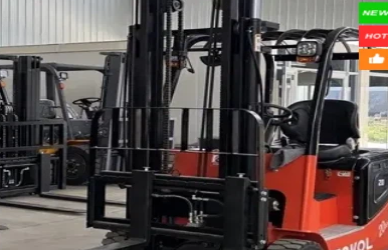
5.Best Practices for Extending Electric Forklift Battery Life
Battery care is one of the most important aspects of maintaining an electric forklift. Proper charging, temperature management, and operator training are essential to maximizing battery life.
Follow Proper Charging Procedures
Always follow the manufacturer’s recommended charging procedures to avoid overcharging or deep discharging the battery. Charging the battery to its full capacity and disconnecting it once fully charged will help extend its lifespan. Try to avoid charging during short intervals between shifts unless the forklift is designed for opportunity charging.
Keep Batteries at Recommended Temperatures
Extreme temperatures can significantly reduce the efficiency and lifespan of an electric forklift battery. If possible, store and operate forklifts in environments where the temperature is controlled and within the recommended range. Excessive heat or cold can cause the battery to degrade faster.
Train Operators on Battery Care
Proper operator training is key to maximizing battery life. Train forklift operators on how to handle the batteries, how to properly charge them, and how to identify signs of battery issues. This proactive approach helps reduce the likelihood of premature battery failure and lowers operating costs.
6.Signs Your Electric Forklift Needs Immediate Maintenance
Even with regular maintenance, there may be times when an electric forklift shows signs that it needs immediate attention. Identifying these issues early can prevent costly repairs or prolonged downtime.
Reduced Operating Time
If you notice that the forklift’s battery is draining much faster than usual or is taking longer to charge, it could be a sign that the battery is deteriorating. Reduced operating time is a common indicator that the battery may need to be replaced soon.
Unusual Noises or Vibrations
If the forklift begins to make unusual noises or vibrations during operation, it could indicate a mechanical issue. This could be related to the wheels, mast, chains, or steering systems. These issues should be addressed immediately to prevent further damage.
Warning Lights or System Alerts
Most modern electric forklifts are equipped with warning lights or system alerts that indicate issues with the forklift’s performance. If any warning lights appear or if the forklift displays system alerts, it’s essential to inspect the equipment and resolve the issue promptly.
7.Building an Effective Electric Forklift Maintenance Plan
An effective maintenance plan should outline scheduled maintenance tasks, inspection frequencies, and the responsibilities of operators and maintenance personnel. Keeping records of inspections and repairs is important for tracking the forklift’s performance and identifying recurring issues. Work with professional service providers to ensure that major repairs and inspections are handled by experts.
FAQ
1. How often should an electric forklift be inspected?
Electric forklifts should undergo daily inspections, with weekly and monthly maintenance tasks for more comprehensive checks. Regular checks help ensure that the equipment remains in good condition and safe for use.
2. What are some common signs of electric forklift battery problems?
Some common signs include shorter operating times, longer charging times, and battery warning lights. These signs indicate that the battery may need maintenance or replacement.
3. Why is cleaning the forklift important for its maintenance?
Cleaning the forklift removes dust, dirt, and debris that can interfere with electrical components, cooling systems, and moving parts. Regular cleaning helps prevent malfunctions and extends the forklift’s lifespan.
4. Can operator habits affect electric forklift lifespan?
Yes. Proper operator habits, including avoiding deep discharge, using the forklift within its limits, and following recommended charging routines, can significantly extend the forklift’s battery life and overall durability.
 Conclusion
Regular maintenance is the key to maximizing the performance and longevity of your electric forklift fleet. By following a structured maintenance checklist, businesses can extend battery life, minimize downtime, and ensure that their forklifts operate efficiently. Preventive maintenance not only saves money in the long run but also enhances safety and productivity in the workplace. Remember, the best way to keep your forklifts running smoothly is to be proactive, not reactive.


