Introduction
Ever wondered how forklifts handle diverse loads efficiently? Forklift attachments transform these machines into versatile tools. These attachments enhance functionality and safety, accommodating various tasks. In this post, you'll learn about different types of forklift attachments and their benefits in optimizing operations.
Common Forklift Fork Attachments
Forklift fork attachments are essential tools that boost the versatility and efficiency of forklifts. They allow operators to handle various load types and sizes safely and effectively. Here’s a detailed look at some of the most common fork attachments and their uses.
Fork Extensions: Enhancing Reach and Capacity
Fork extensions slide over the existing forks, adding length to handle longer loads like pipes, lumber, or large pallets. They increase the forklift’s reach and carrying capacity. However, operators must account for the added weight and shifted load center to maintain stability and avoid accidents.
● Extend reach for oversized materials
● Increase load capacity temporarily
● Must be securely fastened and used within forklift limits
Fork Positioners: Adjusting Fork Spacing
Fork positioners allow hydraulic adjustment of fork spacing from the operator’s seat. This flexibility helps handle pallets or loads of varying widths without manual repositioning, improving efficiency and reducing damage.
● Adjust fork width quickly and precisely
● Ideal for mixed pallet sizes or irregular loads
● Enhances safety by minimizing operator movement
Side Shifters: Lateral Fork Movement
Side shifters enable the forks to move left or right without moving the entire forklift. This lateral movement is crucial in tight spaces, such as loading docks or narrow aisles, allowing precise load placement without repositioning the vehicle.
● Improves maneuverability in confined areas
● Reduces time spent adjusting load position
● Lessens operator fatigue and risk of accidents
Telescopic Forks: Accessing Double-Deep Racks
Telescopic forks extend and retract, allowing access to double-deep pallet racks. Operators can reach loads placed behind others without moving the front pallet, maximizing storage density and speeding up retrieval.
● Enables double-deep racking systems
● Saves space in warehouses
● Simplifies handling of deep-stacked pallets
Weigh Forks: Built-In Weighing Capabilities
Weigh forks combine standard forks with integrated scales, allowing operators to weigh loads during transport. This feature helps ensure loads stay within forklift capacity and streamlines inventory management.
● Provides real-time load weight data
● Eliminates need for separate weighing stations
● Enhances safety by preventing overloads
Rollerforks: Handling Goods on Slip Sheets
Rollerforks feature rollers on the fork surface, allowing forklifts to handle goods on slip sheets instead of pallets. The rollers facilitate smooth loading and unloading, especially in high-volume logistics operations.
● Ideal for palletless load handling
● Speeds up container loading/unloading
● Reduces pallet-related costs and waste
Tip: Always verify forklift capacity and load center changes when adding fork extensions to maintain safe operation and prevent tip-overs.
Various Forklift Clamp Attachments
Forklift clamp attachments secure loads without pallets, offering a safer, more stable grip. They’re perfect for handling delicate or oddly shaped items. Let’s explore common clamp types and their uses.
Paper Roll Clamps: Handling Rolls of Paper
Paper roll clamps have curved arms designed to hold large paper rolls firmly without damage. They can grip rolls horizontally or vertically, ensuring safe transport in printing or paper manufacturing.
● Securely hold one or multiple paper rolls
● Prevent crushing or deformation
● Ideal for paper mills, printing plants
Sliding Arm Clamps: Securing Varying Widths
Sliding arm clamps adjust horizontally to grip loads of different widths. This flexibility suits crates, boxes, or containers, eliminating the need for pallets.
● Arms slide to fit load size
● Provide firm, stable grip
● Used in warehousing, manufacturing
Pivot Arm Clamps: Gripping Irregular Shapes
Pivot arm clamps have arms that pivot to accommodate odd-shaped or uneven loads. They’re great for handling multiple items or irregular cargo safely.
● Arms pivot for versatile grip
● Handle awkward or multiple loads
● Useful in diverse industries
Stack Tower Clamps: Stabilizing Tall Stacks
Stack tower clamps grip tall stacks like cartons or sheet goods vertically. They stabilize unstable loads, preventing tipping during transport.
● Vertical gripping for tall loads
● Enhance load stability and safety
● Common in logistics, warehousing
Drum Clamps: Handling Drums and Barrels
Drum clamps wrap around drums or barrels, securing them for transport. They grip the circumference firmly, reducing the risk of spills or drops.
● Designed for steel or plastic drums
● Ensure safe lifting and placement
● Used in chemical, food industries
Foam Clamps: Protecting Delicate Loads
Foam clamps gently hold lightweight, delicate items like foam or padding. Adjustable pressure prevents damage while maintaining a secure grip.
● Soft grip for fragile materials
● Adjustable to load sensitivity
● Ideal for furniture manufacturing
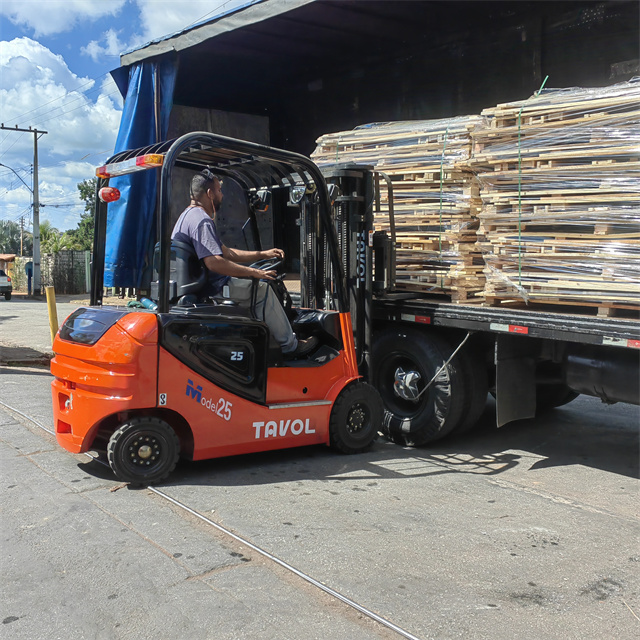
Multiple Load Handlers and Positioning Attachments
Multiple load handlers and positioning attachments boost forklifts' flexibility. They let operators lift, move, and position various loads easily. These tools improve load stability, reduce repetitive movements, and offer precise control. They speed up operations and cut down damage risks. Perfect for fast-paced environments, they help handle everything from pallets to bulk goods safely and reliably.
Rotators: Rotating Cargo for Dumping
Rotators allow forklifts to rotate loads, usually up to 360 degrees. This ability helps dump materials or reposition cargo without manual unloading. Industries like waste management and manufacturing often use rotators to tip bins or containers efficiently.
● Rotate loads smoothly for dumping
● Reduce manual labor and risk of injury
● Improve workflow in material handling
Bulk Box Handlers: Tipping Large Containers
Bulk box handlers lift and tip large boxes or containers. They are common in agriculture and industry for handling produce, scrap, or parts. This attachment simplifies unloading bulk materials by tipping containers safely.
● Handle large, heavy bulk containers
● Tip contents easily for unloading
● Increase speed and safety in operations
Turnaload and Turnafork: Rotating Loads
Turnaload attachments rotate loads for dumping or repositioning. They offer precise control over the load's angle. Turnafork combines fork functionality with rotation, letting operators rotate palletized materials securely.
● Turnaload: 360-degree rotation for material handling
● Turnafork: rotate loads while maintaining grip
● Widely used in agriculture, waste management, manufacturing
Multiple Pallet Handlers: Transporting Multiple Pallets
Multiple pallet handlers add extra forks, enabling transport of two or more pallets side-by-side. This attachment greatly boosts loading and unloading efficiency in warehouses and distribution centers.
● Carry multiple pallets at once
● Speed up warehouse throughput
● Reduce handling time and damage
Bar Arm Attachments: Handling Cylindrical Objects
Bar arm attachments grip cylindrical items such as drums, barrels, or spools securely. They provide a stable hold, ensuring safe transport in industries like oil, chemicals, and cable manufacturing.
● Designed for round objects
● Secure grip prevents slipping
● Improve safety and efficiency
Carrying Rams: Transporting Rolled Materials
Carrying rams feature a single protruding arm to handle rolled goods like carpet, fabric, or steel coils. This attachment simplifies moving heavy rolls without damage.
● Ideal for rolled materials
● Easy to insert into roll cores
● Reduce handling time and risk of damage
Industry-Specific Forklift Attachments
Forklift attachments tailored for specific industries help maximize productivity and safety. These specialized tools adapt forklifts to unique tasks, making operations smoother and more efficient. Let’s explore some key industry-specific attachments.
Construction Attachments: Jibs, Snow Plows, and Work Platforms
● Jibs: These boom-like extensions attach to forklifts, allowing lifting and moving of loads beyond the reach of standard forks. They are perfect for construction sites where precise positioning of materials like steel beams or pipes is necessary. Jibs can pivot and extend, adding flexibility in tight spaces.
● Snow Plows: Designed for clearing snow, these attachments mount on forks and feature adjustable blades. Operators can angle the blade to push snow aside efficiently, keeping construction sites or parking lots clear during winter. Snow plows help maintain safe, accessible work areas.
● Work Platforms: These secure, fork-mounted platforms lift workers to elevated areas safely. Ideal for maintenance, inspection, or installation tasks, they provide a stable work surface. Work platforms must meet safety standards and include guardrails and attachment locks.
Environmental Attachments: Waste Bins and Container Dumpers
● Waste Bins: Also called self-dumping hoppers, these bins attach to forklifts to collect and transport waste or debris. They feature a release mechanism to dump contents easily into larger containers or dumpsters. Waste bins improve cleanup speed and reduce manual handling.
● Container Dumpers: These attachments tilt or rotate bins, barrels, or containers to empty contents safely. They reduce operator strain and risk of spills by automating the dumping process. Container dumpers are common in recycling, manufacturing, and waste management industries.
Specialized Attachments: Carpet Poles and Cylinder Caddies
● Carpet Poles: Long, sturdy poles that insert into rolled carpets’ cores. They allow forklifts to lift and move carpets without damage. Carpet poles simplify handling bulky rolls in warehouses or retail stores.
● Cylinder Caddies: Steel racks designed to hold multiple gas cylinders securely during transport. They often include safety chains or straps to keep cylinders upright and prevent shifting. Cylinder caddies are essential in industries handling propane, oxygen, or other gases.
Safety and Regulatory Considerations
OSHA Guidelines for Forklift Attachments
The Occupational Safety and Health Administration (OSHA) sets clear rules for forklift attachment use. Attachments must be compatible with the forklift’s design and capacity. Operators should always check the forklift’s rated capacity plate, which may need updating to reflect the attachment’s added weight and changed load center. Using an attachment that exceeds the forklift’s capacity or alters its balance can cause tip-overs or accidents.
OSHA requires employers to ensure all attachments are installed and maintained according to manufacturer instructions. Regular inspections must confirm attachments are secure and functioning correctly. Any damaged or malfunctioning attachment must be repaired or replaced immediately to avoid hazards.
Training Requirements for Operators
Proper training is crucial when using forklift attachments. OSHA mandates that operators receive specific instruction on attachment types, safe operation, and load handling changes caused by attachments. Training covers:
● How attachments affect forklift stability and capacity
● Correct attachment installation and removal
● Safe load handling techniques for each attachment type
● Recognizing hazards related to attachments
Operators must demonstrate competency before using attachments on the job. Refresher training should occur regularly or when new attachments are introduced.
Safety Precautions for Attachment Use
Using forklift attachments safely requires attention to several key precautions:
● Always verify the forklift’s adjusted capacity after adding attachments.
● Securely fasten attachments before operation.
● Avoid sudden movements or sharp turns that can destabilize the load.
● Operate at reduced speeds when carrying heavy or awkward loads with attachments.
● Maintain clear visibility around the forklift, especially when attachments extend the load size.
● Use spotters when handling large or obstructive loads.
● Follow manufacturer guidelines for attachment use and maintenance.
● Conduct pre-shift inspections to identify any attachment issues.
Following these precautions helps prevent accidents, protects operators, and keeps the workplace safe.
Choosing the Right Forklift Attachment
Selecting the perfect forklift attachment involves several important factors. Choosing wisely ensures safety, efficiency, and cost-effectiveness. Here’s a breakdown of key considerations to help you make an informed decision.
Factors to Consider: Project Type, Load Weight, and Load Height
● Project Type: Identify the nature of your tasks. Are you handling bulky construction materials, delicate paper rolls, or heavy drums? Certain attachments like carpet poles suit rolled goods, while drum clamps fit barrels. For tight spaces, side shifters or fork positioners improve maneuverability. Knowing your project helps narrow down attachment choices.
● Load Weight: Understand the weight of your loads. Attachments add weight and change the forklift’s balance. Overloading risks tip-overs and accidents. Always check the forklift’s rated capacity and adjust for the attachment’s weight. Select attachments rated for your heaviest loads to maintain safe operation.
● Load Height: Determine how high you need to lift. Taller loads require mast extenders or telescopic forks. Avoid exceeding the forklift’s maximum lift height. Lifting beyond capacity risks instability. Attachments that improve height or reach must align with forklift specs.
Assessing Operational Needs
● Frequency of Use: Consider how often you’ll use the attachment. If it’s daily, invest in durable, high-quality tools. For occasional tasks, renting attachments might be more economical.
● Versatility: Some attachments serve multiple purposes, like fork clamps which combine fork and clamp functions. Choosing versatile attachments can reduce the number needed, saving space and money.
● Work Environment: Think about the workspace layout. Narrow aisles or confined areas benefit from side shifters or fork positioners. Outdoor or rough terrain might require rugged attachments designed for durability.
● Operator Skill Level: Complex attachments need trained operators. Ensure your team receives proper training to handle new attachments safely and efficiently.
Cost-Effectiveness and Efficiency
● Initial Investment vs. Long-Term Savings: High-quality attachments may cost more upfront but reduce damage, downtime, and labor costs. Cheaper options might save money initially but increase risks and maintenance.
● Maintenance Requirements: Choose attachments that are easy to maintain and repair. Regular upkeep extends lifespan and ensures reliable performance.
● Compatibility: Verify attachment compatibility with your forklift model. Mismatched attachments can cause operational issues and safety hazards.
● Return on Investment (ROI): Evaluate how an attachment improves productivity. Faster load handling, fewer accidents, and less product damage contribute to ROI.
Conclusion
Forklift attachments enhance versatility, efficiency, and safety by adapting forklifts to handle diverse loads. These tools improve maneuverability, load stability, and operational speed. Tavol offers high-quality forklift attachments that maximize productivity and safety in various industries. By selecting the right attachments, businesses can boost efficiency and reduce costs, ensuring safe and effective load handling. Tavol's products provide exceptional value by enhancing forklift functionality and meeting industry-specific needs.
FAQ
Q: What is a forklift attachment?
A: A forklift attachment is an accessory added to a forklift to enhance its functionality, allowing it to handle various load types and sizes efficiently and safely.
Q: How do forklift attachments improve efficiency?
A: Forklift attachments like fork extensions and side shifters improve efficiency by increasing reach, capacity, and maneuverability, reducing handling time and minimizing damage.
Q: Why are forklift attachments important for safety?
A: Forklift attachments enhance safety by providing secure grips and stable handling, reducing the risk of accidents and load damage during transport.
Q: How much do forklift attachments cost?
A: The cost of forklift attachments varies based on type and complexity, ranging from a few hundred to several thousand dollars.
Q: What are the benefits of using forklift attachments?
A: Benefits include increased versatility, improved load handling, enhanced safety, and optimized workflow in diverse industrial environments.
Q: Can forklift attachments be used with any forklift?
A: Not all attachments are compatible with every forklift model; it's essential to verify compatibility and capacity before use to ensure safe operation.


