Driving a stand-up forklift may seem easy, but it requires precision and skill. Without proper techniques, accidents can happen. This guide, brought by Tavol, will teach you how to drive a stand-up forklift safely and efficiently. You'll learn key driving tips, safety practices, and how to master forklift controls for better performance.
Preparing to Drive a Stand-Up Forklift
Initial Inspection
Before starting the forklift, always conduct a safety check. Look over the wheels, forks, and safety lights to ensure everything is functioning properly. Make sure the forklift is in good working condition and there are no visible signs of damage or wear.
The forks should be retracted and in a safe position before turning on the engine. This prevents any accidents when moving the forklift. Always check fluid levels, the mast, and the power systems to ensure smooth operation.
Wear Safety Gear
Wearing the right safety gear is essential for protecting yourself. A hard hat will protect your head from falling objects, while a hi-vis jacket helps others see you clearly, especially in busy work areas. Safety shoes are crucial, as they protect your feet from heavy objects or accidents.
These safety measures are not just required—they're important for your well-being. Proper gear ensures you're safe while driving and working around the forklift, which is vital in a fast-paced warehouse environment.
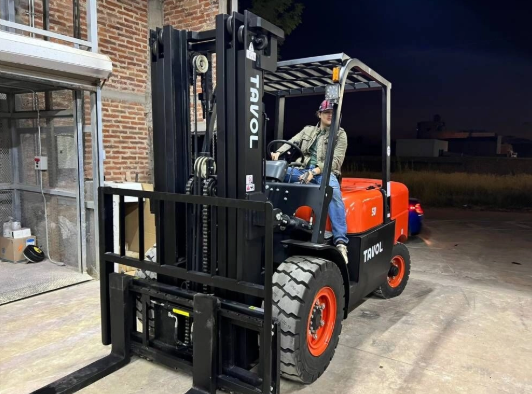
Step-by-Step Guide to Driving a Stand-Up Forklift
Step 1: Starting the Forklift
Before you start driving, ensure the forklift is ready for use.
● Turn on the ignition: Always make sure the forklift is in neutral before starting the engine. This prevents any accidental movement once you power it on.
● Check the forks: Retract the forks and position them in a safe, elevated position. This step helps avoid any damage to the forks or the ground, especially when you begin to move.
● Inspect the surroundings: Look around to ensure there are no obstructions, people, or other forklifts near the forklift. This is important, particularly in crowded or tight spaces, to prevent accidents when starting.
Once all these checks are done, you're ready to begin operating the forklift.
Step 2: Steering and Movement
Driving a stand-up forklift requires steady control and smooth handling.
● Use the control handle (joystick): To steer, gently tilt the control handle in the direction you want to go. Keep your movements gradual to avoid jerking or sharp turns that could cause instability.
● Press the power pedal: This is used to move forward or backward. Start with a gentle press to get a feel for the movement, especially in tight spaces. Gradually apply more pressure as needed to adjust speed. If you're carrying a load, move at a slower pace for stability.
● Adjust speed based on load: When you're transporting a heavy load, slow down. A heavier load makes the forklift less stable, so reducing speed will ensure you maintain control, especially during turns or when navigating tight corners.
Step 3: Navigating Tight Spaces
One of the key advantages of stand-up forklifts is their ability to operate in tight spaces, but this requires extra care and attention.
● Slow down in tight spaces: In narrow aisles, take sharp turns slowly to keep the forklift stable and maintain control. Quick turns or sudden stops in such spaces can lead to tipping or bumping into obstacles.
● Smooth turning: Always make smooth, controlled turns. Avoid making sharp turns quickly, as they can cause instability, particularly when you're carrying a load.
● Make quick adjustments: If you encounter an obstacle or need to avoid something in your path, make quick but controlled adjustments. Stay aware of any potential obstacles, whether it's another forklift, a shelf, or something on the ground.
● Stay aware: Constantly monitor your surroundings. Look out for pedestrians, other forklifts, or any items that may obstruct your path. Being aware of your surroundings helps prevent accidents and keeps the environment safe.
Step 4: Reversing the Forklift
Reversing can be tricky, especially in areas where visibility is limited or the space is tight.
● Use the horn: When reversing, always use the horn to alert pedestrians and other workers in the area. This ensures they're aware of your movements and can safely move out of the way.
● Check your surroundings: Before you begin to reverse, do a quick check around the forklift. Look behind you and to the sides to ensure the area is clear of any obstacles or people.
● Move slowly: Backing up should always be done slowly and cautiously. This allows you to stop quickly if you notice something in your path and prevents accidental collisions.
Step 5: Loading and Unloading Safely
Proper loading and unloading practices are crucial for maintaining safety while driving a forklift.
● Position the forklift: Make sure the forks are directly under the load before lifting. Ensure they are wide enough to securely support the load. The alignment should be correct to prevent uneven lifting.
● Ensure balance: Always double-check that the load is centered and evenly distributed on the forks. This is essential for keeping the forklift balanced and preventing it from tipping over.
● Lift carefully: When raising the load, do so slowly and steadily. Keep the load close to the ground as you lift it. Avoid lifting it too high when moving—it makes the forklift less stable.
● Don't lift too high: Lifting a load too high while moving can cause the forklift to become unstable. Always keep the load as low as possible for better stability, especially when turning or navigating tight spaces.
● Check the load's security: Before you begin moving, make sure the load is securely fastened to the forks. If the load shifts or becomes unbalanced during movement, it can lead to accidents or damage.
By following these steps, you can operate the stand-up forklift safely and efficiently, ensuring both your own safety and the safety of those around you. These tips will help you gain confidence and control while handling various tasks in a busy environment.
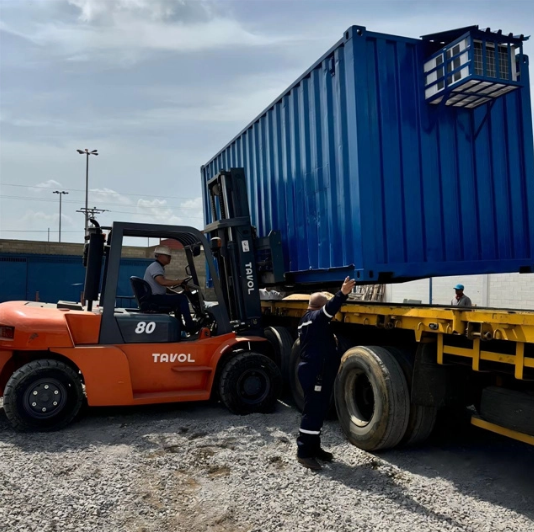
Troubleshooting While Driving a Stand-Up Forklift
Forks Not Lifting Properly
If the forks aren't lifting properly, there may be a few reasons for the issue. Check if the hydraulic fluid level is low or if there's a leak in the system. Another potential cause could be a malfunctioning pump or control valve. If the issue persists, stop using the forklift and report it for maintenance.
Unresponsive Steering
If the steering feels unresponsive, check for any issues with the control handle or joystick. Sometimes, the steering mechanism can become stuck or jammed. Inspect the steering components to ensure they are properly lubricated and functioning. If the problem continues, it might be necessary to replace or repair the steering system.
The Forklift Not Moving
If the forklift isn't moving despite pressing the power pedal, there could be an issue with the electrical system or the pedal itself. Check the battery charge level, as low power can prevent the forklift from moving. Also, ensure the forklift is in the correct gear and not in neutral. If these checks don't solve the issue, it's time to call for assistance from a technician.
Safety Tips While Driving a Stand-Up Forklift
Maintain Awareness of Your Surroundings
When driving a stand-up forklift, always stay aware of your surroundings. Watch out for pedestrians, other forklifts, and obstacles in your path. This is especially important in busy warehouse environments, where things can change quickly. Keeping your eyes and ears open ensures you can avoid potential accidents.
Drive at Safe Speeds
Speed matters when operating a forklift. Always drive at safe speeds, particularly when maneuvering through narrow aisles or tight corners. Going too fast can reduce your ability to control the forklift, making it harder to stop in time or make sharp turns. Slow down in crowded areas where you may need to make quick adjustments.
Proper Use of the Horn
The horn is an important safety tool. Use it to alert others when reversing, especially in busy areas. Be sure to use the horn when navigating around blind spots or areas where pedestrians might not see you. It helps prevent accidents and keeps everyone safe.
Avoid Oversteering
Oversteering can cause the forklift to tip or make the load unstable. Always steer the forklift smoothly and gradually. Sharp, sudden movements can make the forklift less stable and lead to accidents. Practice making small adjustments to your steering to ensure smooth, controlled movements.
Conclusion
To drive a stand-up forklift safely, follow the key steps: start the forklift properly, steer smoothly, and navigate tight spaces carefully. Always move at safe speeds and use the horn when reversing. Practice regularly to build your skills and confidence. Remember, proper training and certification are essential for safe operation and efficiency. Keep learning to ensure safe and effective forklift use.
FAQ
Q: What is a stand-up forklift?
A: A stand-up forklift is a type of forklift where the operator stands while driving. It is designed for maneuvering in tight spaces and offers enhanced visibility and quicker access for operators.
Q: How do you operate a stand-up forklift safely?
A: Always start with a safety check, wear proper safety gear, and ensure the forklift is in neutral. Steer smoothly using the control handle and adjust speed according to the load. Use the horn when reversing and avoid sharp turns to maintain stability.
Q: What should I do if the forklift isn't moving?
A: If the forklift isn't moving, check if it's in neutral, verify the battery charge, and ensure the power pedal is functioning correctly. If the issue persists, consult a technician for troubleshooting.
Q: Why is it important to use the horn when reversing?
A: Using the horn while reversing alerts nearby workers or pedestrians, reducing the risk of accidents in busy or blind-spot areas.
Q: How do I ensure the load is stable when moving?
A: Always center the load on the forks, keep it low to the ground, and avoid lifting it too high while moving to prevent tipping and ensure stability.


