As businesses grow, efficient material handling becomes a top priority. But how do you choose the right forklift for your operations? Electric and gas forklifts each have distinct advantages and limitations. In this post, we'll compare both options, focusing on their performance, costs, and environmental impact. By the end, you'll have a clear understanding of which forklift best suits your business needs.
Understanding the Basics of Electric and Gas Forklifts
What Are Electric Forklifts?
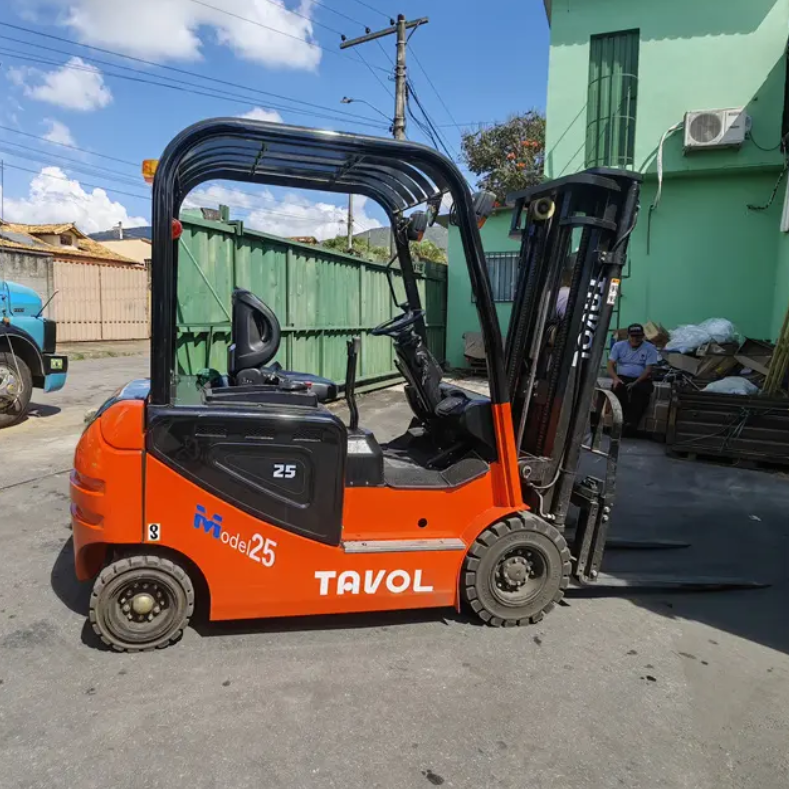
Electric forklifts are powered by rechargeable batteries, typically lithium-ion or lead-acid. These batteries store energy and power an electric motor that drives the forklift's movement and lift functions. Electric forklifts are often used in indoor environments due to their clean and quiet operation.
How Do Electric Forklifts Work?
Electric forklifts use energy stored in their batteries to run the electric motor. The motor powers the forklift's lift and movement mechanisms. Lithium-ion batteries offer faster charging and longer lifespans compared to lead-acid, making them a popular choice for efficiency.
What Are Gas Forklifts?
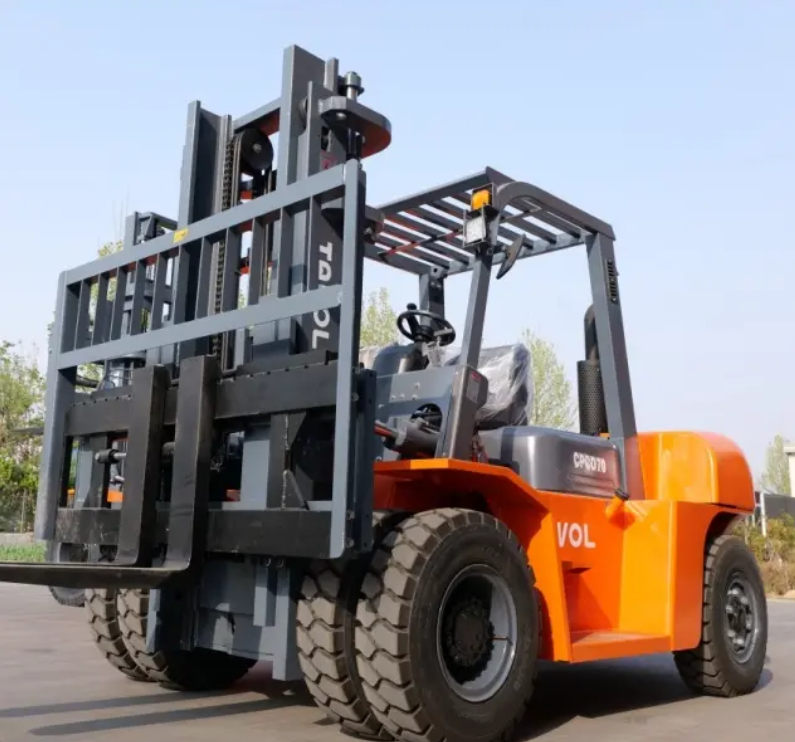
Gas-powered forklifts run on internal combustion engines that use fuel like propane, diesel, or gasoline. These forklifts are generally preferred for outdoor use but can also work indoors if proper ventilation is provided. They offer strong lifting power and high torque, ideal for heavy-duty tasks.
How Do Gas Forklifts Work?
Gas forklifts convert fuel into mechanical energy using an internal combustion engine. The engine powers both the lift and movement functions of the forklift. Propane is a popular fuel for indoor use due to its cleaner burn compared to diesel or gasoline.
Key Differences Between Electric and Gas Forklifts
Performance Comparison
Power and Torque
Gas forklifts generally offer more power and faster acceleration. This makes them better suited for heavy lifting tasks, especially in outdoor or rugged environments. They have higher torque, allowing them to handle larger loads with ease.
Electric forklifts, on the other hand, provide steady and controlled movements. While they may not accelerate as quickly under heavy loads, they offer smooth handling, making them ideal for indoor operations where precision is key.
Versatility and Suitability for Various Environments
Electric forklifts excel in indoor environments like warehouses, offering quiet, clean, and efficient operation. They are particularly suited for navigating tight spaces and controlled environments.
Gas forklifts are versatile and well-suited for outdoor work. They perform well on rough terrains, construction sites, or in areas with extreme weather conditions. Their ability to work in diverse environments makes them ideal for industries like construction or agriculture.
Operating Costs
Upfront Costs
Electric forklifts typically have a higher initial purchase price due to the cost of the battery and charging systems. However, their long-term operational savings make them a cost-effective option for many businesses.
Gas forklifts are generally cheaper upfront, making them more attractive to businesses with tighter budgets. However, their ongoing fuel and maintenance costs can add up over time, leading to higher overall operating expenses.
Fuel vs. Energy Costs
Electric forklifts generally have lower energy costs. Charging an electric forklift is less expensive than refueling a gas-powered forklift, especially when you consider the cost of gasoline or propane.
Gas forklifts rely on fuels like gasoline or propane, which can fluctuate in price. This unpredictability in fuel prices can lead to higher operating costs over time, especially for businesses that rely on forklifts daily.
Environmental Impact
Emissions and Sustainability
One of the key benefits of electric forklifts is their zero emissions. They produce no exhaust gases, making them ideal for indoor use, particularly in businesses focused on sustainability and reducing their environmental impact.
In contrast, gas forklifts emit harmful gases like CO2 and nitrogen oxides, contributing to air pollution. While they are suitable for outdoor use, they require proper ventilation when used indoors to prevent health risks from exhaust fumes.
Noise and Workplace Health
Electric forklifts are significantly quieter than gas-powered models. This helps reduce noise pollution in the workplace, making the environment more comfortable and allowing employees to communicate more effectively.
Gas forklifts, while powerful, tend to be noisier. Prolonged exposure to high noise levels can contribute to hearing damage in workers. This is especially true in environments where forklifts are in constant operation.
Maintenance and Longevity
Maintenance Requirements for Electric vs. Gas Forklifts
Electric Forklift Maintenance
Electric forklifts require less frequent maintenance due to having fewer moving parts. However, battery care is crucial. Regular checks on battery health and charging systems ensure optimal performance.
Lithium-ion batteries need less maintenance compared to lead-acid batteries. These batteries don't require water checks, which saves time and reduces maintenance costs.
Gas Forklift Maintenance
Gas-powered forklifts need regular servicing. This includes oil changes, fuel system inspections, and checking the exhaust system for wear. They have more moving parts, which means more frequent maintenance to keep them running smoothly.
Due to their more complex engines, gas forklifts generally incur higher maintenance costs over their lifespan.
Longevity and Service Life
Service Life of Electric Forklifts
Electric forklifts generally have a longer lifespan in terms of mechanical parts because they have fewer moving components. However, their batteries need to be replaced every 3-5 years, depending on the type and usage. Proper battery management can extend the life of the forklift.
Service Life of Gas Forklifts
Gas forklifts tend to have a longer engine life, often lasting beyond 10,000 hours of use with regular maintenance. However, to maintain peak performance, they require consistent care, including fuel system checks and engine servicing. Without proper maintenance, the engine's efficiency may decrease over time.
Safety Considerations for Electric and Gas Forklifts
Safety Concerns for Electric Forklifts
Handling Battery Maintenance and Sulfuric Acid
Electric forklifts often use lead-acid batteries, which contain sulfuric acid. When handling these batteries, always wear protective gear, such as gloves and goggles. In case of an acid spill or leakage, immediately follow emergency procedures to prevent injury.
Never open the battery caps near an open flame, as hydrogen gas may escape and create a fire risk. Regularly check battery water levels and maintain them properly to avoid battery damage.
Charging Safety
When charging electric forklifts, always use designated charging stations. These stations should be equipped with proper ventilation and safety features to prevent electric shocks, fires, or gas accumulation. Never charge forklifts in poorly ventilated spaces, and ensure the charging area is clear of flammable materials.
Safety Concerns for Gas Forklifts
Carbon Monoxide Exposure
Gas forklifts produce exhaust emissions, including carbon monoxide, which is dangerous in poorly ventilated areas. Always operate gas forklifts in well-ventilated spaces, particularly when used indoors. Ensure the area has proper airflow to avoid dangerous gas buildup, which can pose serious health risks.
Refueling Safety
Refueling gas forklifts must be done with caution. Always refuel in designated areas away from heat sources or open flames. Only trained personnel should handle fuel tanks and perform refueling tasks. Be sure to check for fuel leaks and handle any spills immediately to prevent fire hazards or environmental contamination.
Choosing the Right Forklift for Your Business
Factors to Consider When Choosing a Forklift
Work Environment
Electric forklifts are ideal for indoor environments such as warehouses, where they can operate efficiently without emissions. Their quiet and smooth operation is perfect for controlled, clean spaces.
Gas forklifts, on the other hand, are better suited for outdoor tasks. They perform well in rugged conditions like construction sites or warehouses with rough terrain. Their ability to handle various weather conditions makes them more versatile for outdoor use.
Budget and Long-Term Costs
Before choosing, consider your upfront budget. Electric forklifts typically have a higher initial cost due to their batteries and charging systems. However, they offer lower long-term operating costs due to cheaper energy consumption and fewer maintenance needs.
Gas forklifts are cheaper upfront but come with higher ongoing fuel and maintenance costs. You need to evaluate whether your business can afford the higher operating costs over time.
Load Capacity and Lifting Requirements
If your operations involve heavy lifting, a gas forklift may be more suitable. Gas forklifts generally offer higher lifting capacities and faster acceleration, making them ideal for heavy-duty tasks.
Electric forklifts are better for lighter, indoor loads and can be less efficient for very heavy or high-lifting tasks. Consider your typical lifting requirements before making a decision.
Which Forklift Is Best for Your Operations?
Here's a simple guide to help you decide between electric and gas forklifts based on your business needs:
Factor | Electric Forklift | Gas Forklift |
Work Environment | Best for indoor use | Best for outdoor use |
Budget | Higher upfront cost | Lower upfront cost |
Maintenance & Operating Costs | Lower long-term costs | Higher ongoing costs |
Load Handling | Best for lighter loads | Best for heavy loads |
Environment Impact | Zero emissions | Emits CO2 |
Use this guide to weigh the key factors and find the best forklift option for your business operations.
Conclusion
Both electric and gas forklifts have distinct advantages. Electric forklifts are ideal for indoor use, low emissions, and lower long-term costs. Gas forklifts are better for heavy-duty outdoor work and offer faster refueling.
To choose the best forklift, consider your environment, budget, and lifting needs. If unsure, welcome to Tavol consulting expert to make the right decision for your business.
FAQ
Q: What is the main difference between electric and gas forklifts?
A: Electric forklifts are ideal for indoor use, producing zero emissions and low noise, while gas forklifts are better for outdoor tasks, offering higher lifting capacity and quick refueling.
Q: Are electric forklifts more expensive than gas forklifts?
A: Electric forklifts generally have a higher initial purchase cost due to the battery system, but they have lower long-term operational and maintenance costs.
Q: Can gas forklifts be used indoors?
A: Gas forklifts can be used indoors, but they require proper ventilation due to emissions, which can be hazardous in enclosed spaces.
Q: Which type of forklift is better for heavy lifting?
A: Gas forklifts are better suited for heavy-duty lifting tasks, providing higher power and torque than electric models.


