Forklift accidents can cause serious harm, but proper training and skills can make all the difference. In this article, brought by Tavol, we'll cover 10 essential tips that will help you become a better forklift operator. Whether you're just starting out or looking to improve your skills, these tips will boost your safety and efficiency on the job.
Getting Started as a Forklift Operator
Tip 1: Become a Certified Forklift Operator
Why Certification Matters
Certification ensures you have the necessary knowledge and skills to operate a forklift safely. Regulatory bodies like OSHA (Occupational Safety and Health Administration) set standards for forklift operations to reduce accidents and injuries. Certification improves workplace safety and boosts productivity by ensuring operators follow proper guidelines.
Steps to Getting Certified
To get certified, you must complete a training program that covers both classroom instruction and hands-on practice. After completing the course, you'll need to pass an exam, demonstrating your understanding of safety practices and operational skills. Some programs also require a practical test to show your forklift handling abilities in real-world situations.
Maintaining Equipment and Safety
Tip 2: Inspect the Forklift Daily
Importance of Daily Inspections
Daily inspections are crucial for keeping your forklift in safe, working order. Checking the equipment regularly helps reduce accidents and unexpected downtime. A thorough inspection ensures that the forklift is safe to operate, preventing potential breakdowns during shifts.
Key Things to Check
Before each shift, check the following:
Battery: Ensure it's fully charged and free of corrosion.
Oil and Fuel Levels: Make sure there's enough oil and fuel for the shift.
Tire Pressure: Check tires for proper inflation and wear.
Forks and Lift Mechanisms: Ensure they function smoothly and are not damaged.
Safety Features: Test lights, alarms, and horns to ensure they're working.
Tip 3: Wear the Proper Clothing and Gear
Why Safety Gear Is Essential
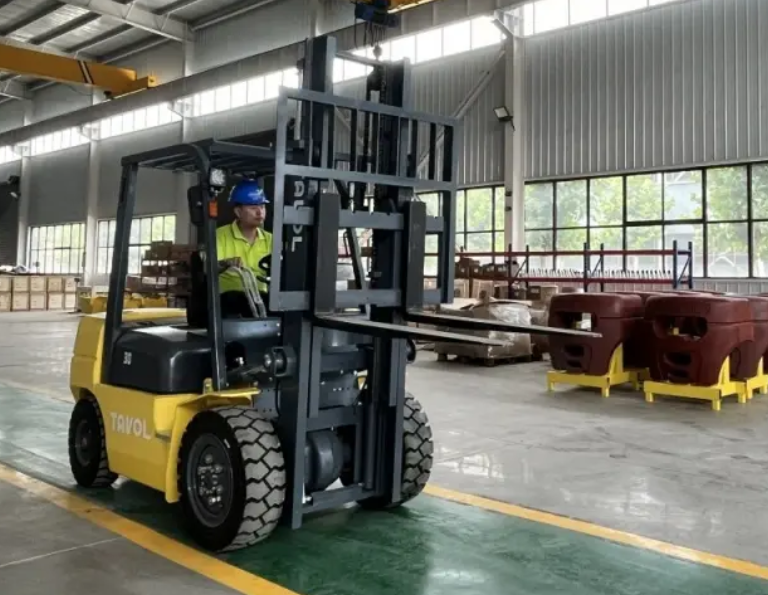
Proper safety gear protects you from injury while operating the forklift. High visibility clothing, hard hats, and steel-toed boots are essential for staying safe in a busy environment. Wearing these items ensures you're seen and protected from potential accidents.
Additional Safety Equipment
Depending on the job, additional safety gear may be required:
Gloves: Protect your hands from rough surfaces and sharp objects.
Goggles: Safeguard your eyes when working in areas with flying debris.
Ear Protection: Wear when operating in noisy environments to protect your hearing.
By following these guidelines, you ensure both your safety and the forklift's reliable operation.
Skill Development and Practice
Tip 4: Drive Often and Train Regularly
Practice Makes Perfect
The more you drive, the more comfortable and confident you become with the forklift. Consistent practice helps improve your handling skills, allowing you to navigate tight spaces, lift heavier loads, and make quick decisions. By operating the forklift regularly, you can get used to its controls, movements, and the unique challenges of the environment, ensuring you're more efficient on the job.
How Training Enhances Your Skills
In addition to regular practice, ongoing training is key to mastering your skills. Participating in refresher courses helps you stay updated on new safety practices and operational techniques. Advanced training courses can teach you specific skills for handling unique or difficult tasks. Regular training keeps you sharp and prepared for any challenges that may arise.
Tip 5: Stay Calm While Operating
Avoid Rushing
One of the biggest risks while operating a forklift is rushing. Trying to complete tasks too quickly can lead to mistakes, accidents, or even injuries. It's important to stay patient, especially when you're in tight spaces or dealing with heavy loads. Moving too fast often results in loss of control, so take your time to complete tasks safely.
How to Stay Calm in Stressful Situations
Forklift operators often face stressful situations, like dealing with unfamiliar tasks or handling emergencies. The key to maintaining safety is staying calm. When faced with a challenge, take a moment to assess the situation before reacting. Deep breathing and focusing on the task at hand can help reduce stress. Keeping a calm mindset helps you make better decisions and avoid accidents.
Understanding Your Environment
Tip 6: Know Your Hazards
Identifying Potential Hazards
Every forklift operator must be aware of potential hazards in their environment. Common risks include:
● Wet floors: Can cause slipping and loss of control.
● Uneven surfaces: May affect stability and steering.
● Tight spaces: Make it easier to accidentally hit people or objects.
● Hazardous materials: Require careful handling to prevent accidents.
How to Avoid Hazards
To reduce these risks, adjust your driving habits. For example, slow down on wet or uneven surfaces, take extra caution in tight spaces, and follow safety protocols when working around hazardous materials.
Tip 7: Stay Aware of Your Surroundings
The Importance of a 360-Degree View
Always keep a full view of your surroundings. This helps prevent accidents with pedestrians, other equipment, or obstacles. By constantly checking your environment, you can react faster to any potential issues.
Using Mirrors and Sensors
Mirrors and sensors are crucial tools for improving visibility, especially in areas with limited space. Use them to check blind spots and ensure that there are no obstacles in your path. These tools help you navigate safely and avoid collisions.
Handling Loads Safely
Tip 8: Keep Loads Stable
Proper Loading Techniques
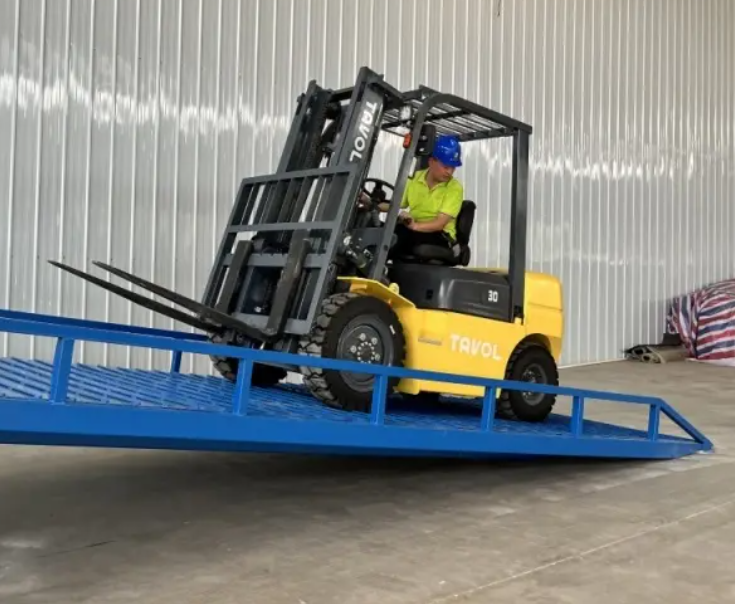
Ensuring the stability of a load is essential for safe forklift operation. Always position the load evenly on the forks, making sure it's centered. This helps avoid uneven weight distribution, which could cause tipping or difficulty in controlling the forklift. If the load is stacked high, it can affect visibility and stability, so keep the load as low as possible while still maintaining clearance. For long or oversized loads, consider using additional support like straps or nets to prevent them from shifting.
Handling Unstable or Odd-Shaped Loads
When dealing with irregular or unstable loads, extra care is needed. Items that are bulky, oddly shaped, or not evenly distributed can pose a challenge. In these cases, always lower the forks to maintain better control and reduce the risk of the load shifting. If the load isn't balanced, use additional equipment like straps, shrink wrap, or nets to stabilize it before moving. Always move slowly when transporting these loads, as sudden movements or sharp turns could destabilize the load.
Tip 9: Store Lift Trucks Properly
End-of-Shift Procedures
At the end of every shift, take a few minutes to ensure the forklift is properly stored. Start by checking the oil levels, fuel levels, and battery charge. This prevents any surprises when you or another operator begins their next shift. Park the forklift in a safe location, away from high-traffic areas and entrances, to reduce the risk of accidents. Also, lower the forks completely to the ground and engage the parking brake to ensure the forklift is safely secured.
Charging and Fueling Safety
Charging and refueling are critical steps in maintaining a forklift's operation. Always follow the manufacturer's guidelines for both electric and gas-powered forklifts. For electric forklifts, park them in designated charging areas, avoiding charging in confined spaces or near flammable materials. Never leave the forklift charging unattended for long periods. For gas forklifts, ensure the refueling station is well-ventilated and that the area is clear of any ignition sources. Regularly inspect fuel lines and connections for leaks to prevent any dangerous situations.
Communication and Teamwork
Tip 10: Communicate Effectively
How Communication Improves Safety
Clear communication is essential for preventing accidents on the job. Always notify others when you're about to move or lift a load. This gives everyone in the area time to clear the space and avoid potential collisions. Regular communication helps maintain awareness of each other's actions, ensuring everyone stays safe.
Using Standardized Signals and Signs
Using standardized signals and signs can significantly improve communication on the floor. Hand signals, horns, and light indicators are universally understood and help prevent confusion. These tools are especially useful in noisy environments or when visibility is limited, ensuring smooth and safe operations.
Conclusion
To become a better forklift operator, focus on safety, practice, and continuous learning. Follow the 10 tips, from becoming certified to maintaining equipment and staying calm under pressure. Ongoing training and awareness are key to improving your skills and efficiency. Implement these tips to enhance your performance and keep your workplace safe.
FAQ
Q: How can I prevent forklift accidents?
A: Prevent accidents by always inspecting your forklift, maintaining a safe speed, and being aware of your surroundings. Use proper safety gear and follow all operational guidelines.
Q: What should I do if the forklift isn't working properly?
A: If your forklift is malfunctioning, stop using it immediately. Perform basic troubleshooting, like checking fuel levels or battery charge, and report the issue for maintenance.
Q: Is it safe to operate a forklift in tight spaces?
A: Yes, but it requires extra caution. Always reduce your speed, use mirrors and sensors, and stay aware of your surroundings when operating in tight spaces.
Q: How do I handle heavy loads safely?
A: Ensure loads are properly balanced and stable on the forklift. Keep the load low to the ground, and use the correct lifting techniques to avoid tipping.


